Creamy Vegan Squash Soup with Chive Oil Topping: A Culinary Medicine Delight
The practice of culinary medicine goes deeply into the fundamental act of eating. The bright colors, intense aromas, and nourishing qualities of whole-food, plant-based foods attest to the healing power of our dietary choices. Today, I am going to share a warming and filling soup that combines the earthy flavor of Yukon Gold potatoes, the astringent and particular taste of dill, and the warmth of turmeric. It’s a Creamy Vegan Squash Soup, topped with Chive Oil.
You can unsubscribe at any time. Review our privacy policy here.
Culinary medicine: What is it?
An emerging field known as “culinary medicine” blends the science of nutrition and medicine with the art of cooking. The primary tenet of this philosophy is that food is essential to our health and well-being and serves as more than just a “basic fuel”. With careful ingredient selection and creative preparation, we can produce meals that nourish our bodies’ natural healing processes and also nourish our senses.
The Benefits of Eating Plant-Based
For the most part, I base my meal planning on plant-based nutrition. Emphasizing whole, unprocessed plant-based meals provides an abundance of nutrients that promote optimal health throughout our lifespan. This approach emphasizes the variety of tastes and textures that plant foods offer rather than only focusing on exclusion.
This creamy vegan squash soup creates a lovely blend of aromas by combining rich herbs and spices with the creamy texture of potatoes and squash. It really leaves you feeling full after eating it.
Farm-to-Table Freshness
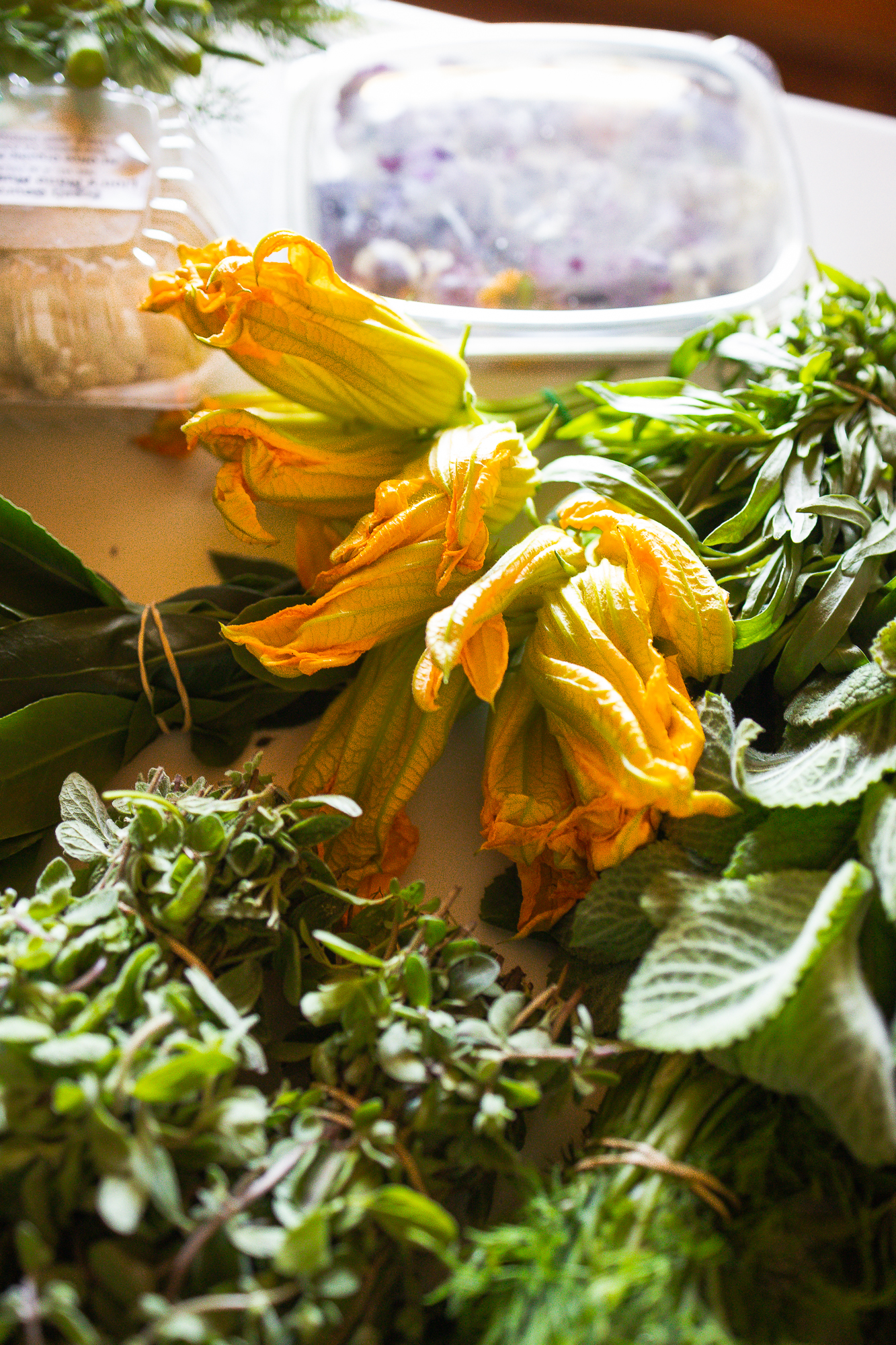
Creating plant-based food is fun because it makes us feel more connected to the community. By sourcing seasonal, fresh vegetables from local farmers, we can help our community and ensure our meals are packed with the most flavor and nutrients possible through farm-to-table freshness. This Creamy Vegan Squash Soup celebrates interdependence by using ingredients that are often in season.
Nutritional Powerhouse in a Bowl
Full of vitamins A and C, squash adds a creamy base and a hint of sweetness to complement the soup’s astringent taste from the fresh herbs.
Golden Yukon potatoes are known for their buttery texture and creaminess. They are also high in potassium and vitamin B6. Did you know that different potatoes can be used for different textures? Let me know what you like in the comments below.
Turmeric: This brilliant spice, well-known for its anti-inflammatory properties, goes well with our soup. Research has been done on curcumin, the active component of turmeric, and its potential to reduce inflammation and general anti-inflammatory properties.
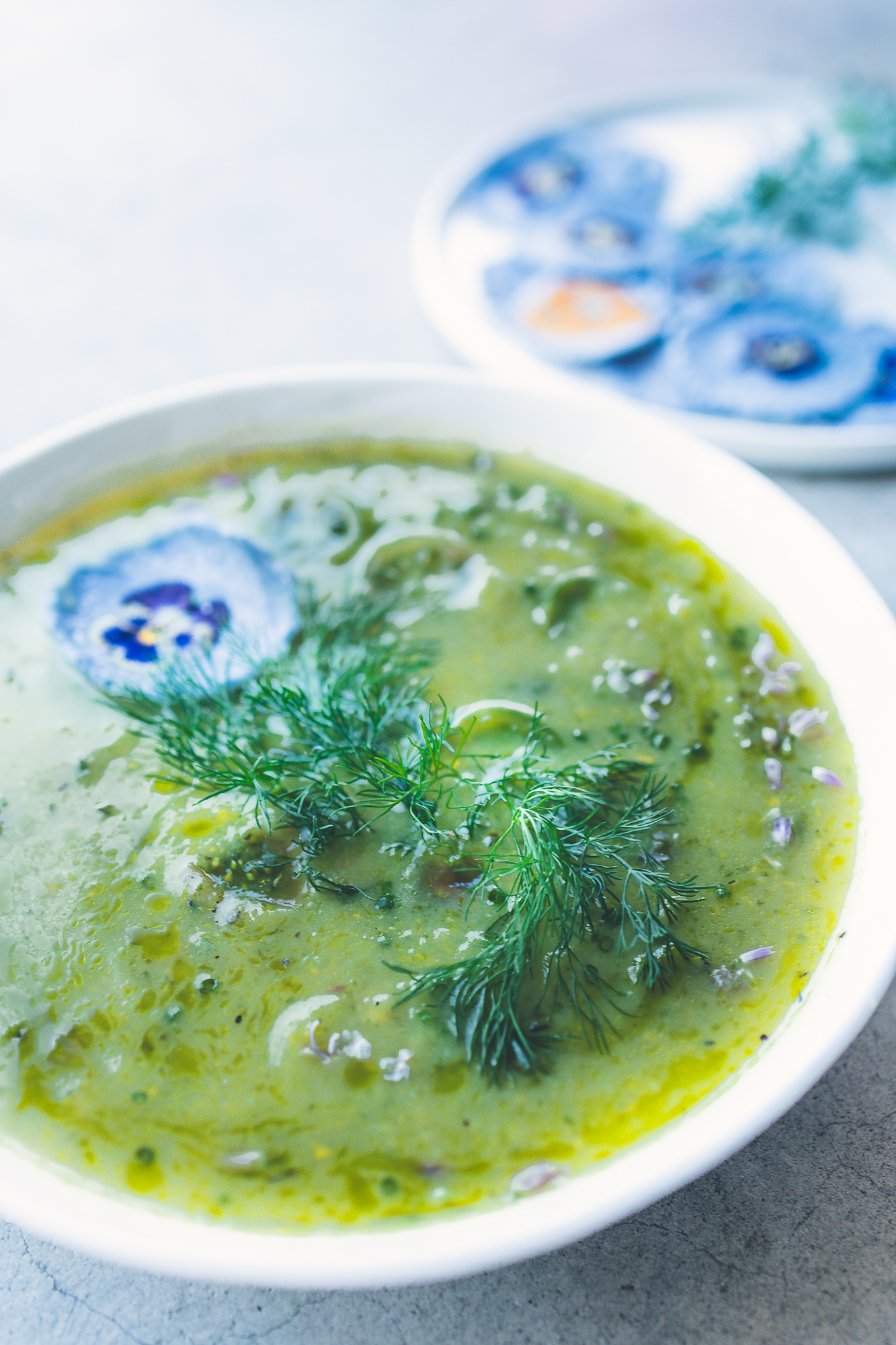
Dill: The crisp, grassy dill flavor balances the earthy aromas of the squash and potatoes. It contains antioxidants and has long been used to help with digestion. Both the seed and the leafy stalk are used.
Chive Oil: A drizzle of chive oil on top adds a finishing touch that is both visually appealing and packed with flavor. Chives are rich in vitamins A and K,and adding a subtle onion-like taste enhances the overall dish.
Free Ebook
The food we eat significantly impacts our health, but how we prepare it can also have an effect. Eating a diet high in processed foods, sugar, and unhealthy fats can lead to many health problems, such as obesity and heart disease. Furthermore, what if I told you that changing these factors could make all the difference? You can improve your health by cooking your meals with whole food and plant-based ingredients. First, grab this free recipe ebook that incorporates flavors and principles from my Ayurvedic and Lifestyle Medicine training, and it is 100% plant-based. Then let me know what you have made.
You can unsubscribe at any time. Review our privacy policy here.
Making this Soup at Home
This soup can be used as a meal, but it can also be used to experiment with flavors and colors. and possibly even a veggie you don’t usually eat. As you’re getting ready, take a moment to appreciate your kitchen’s rich colors and inviting aromas. Every ingredient in the dish was selected for its nutritional value and its ability to contribute to a well-balanced meal.
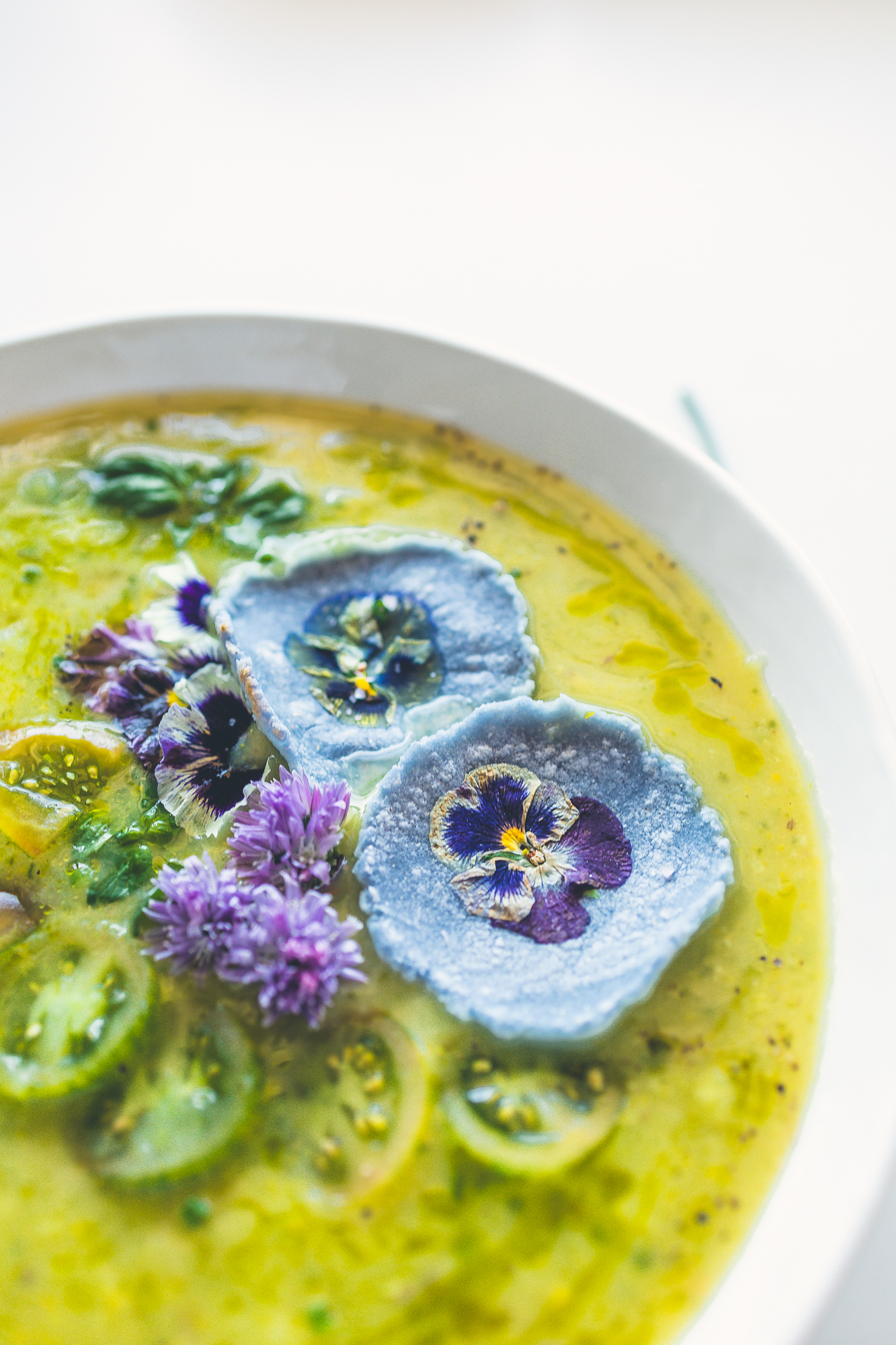
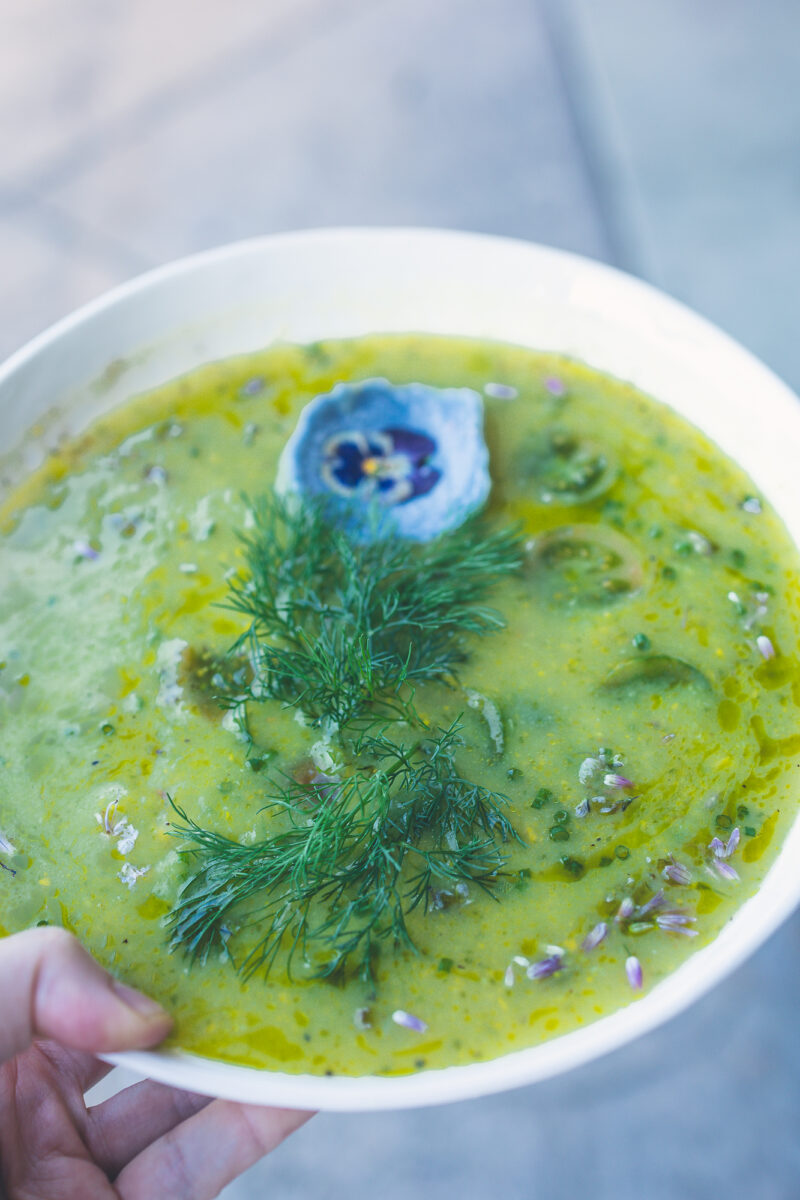
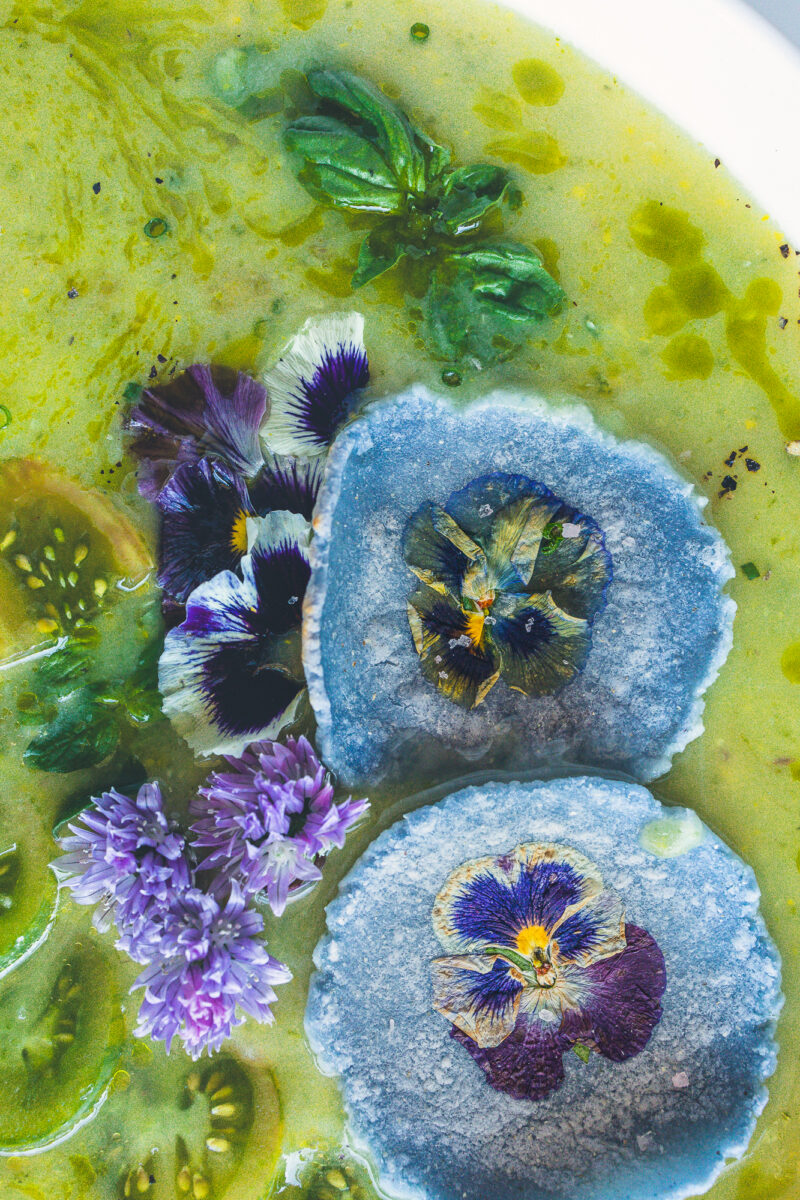
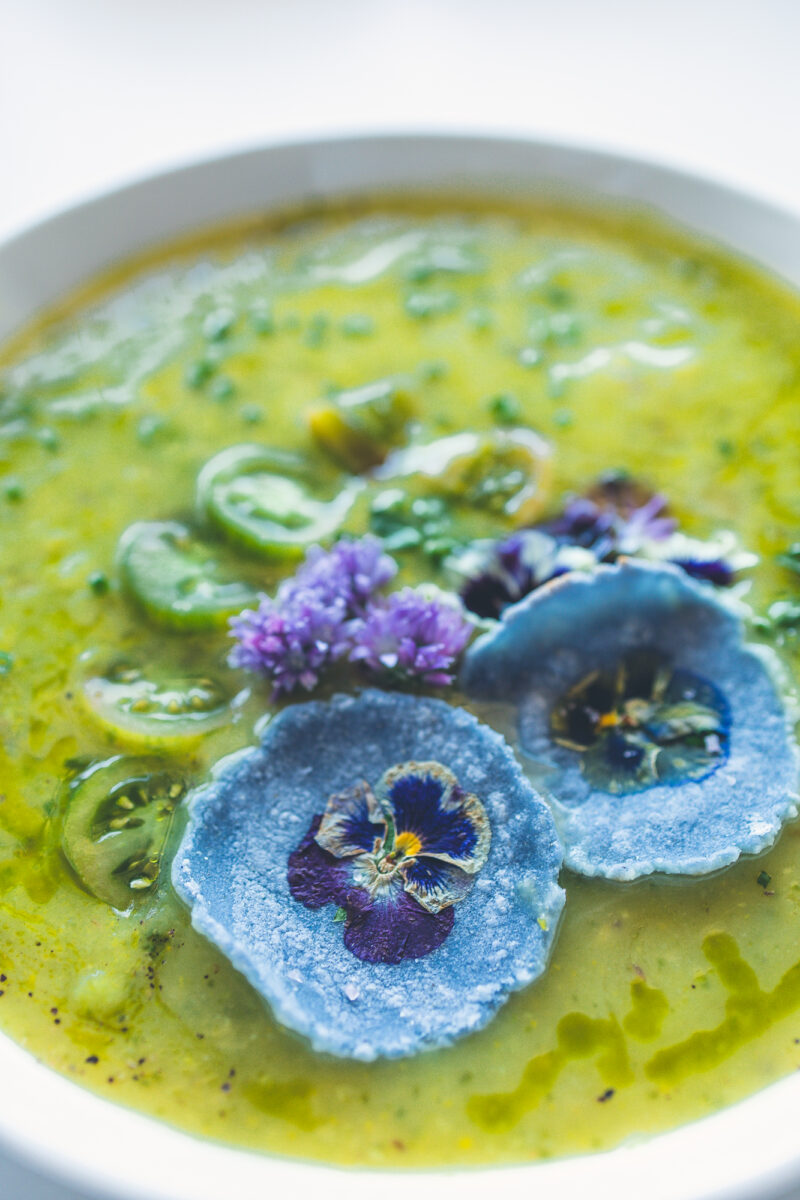
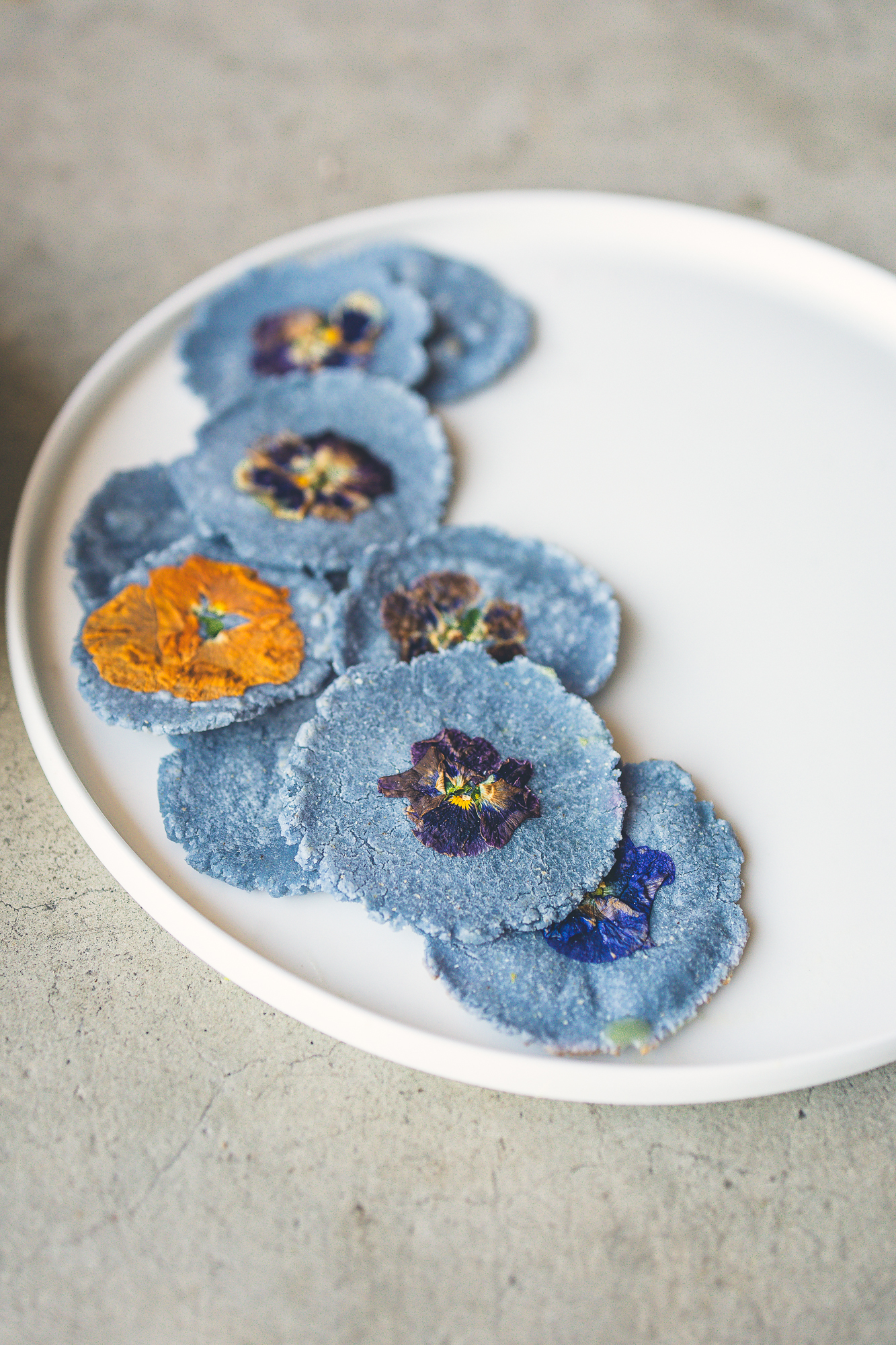
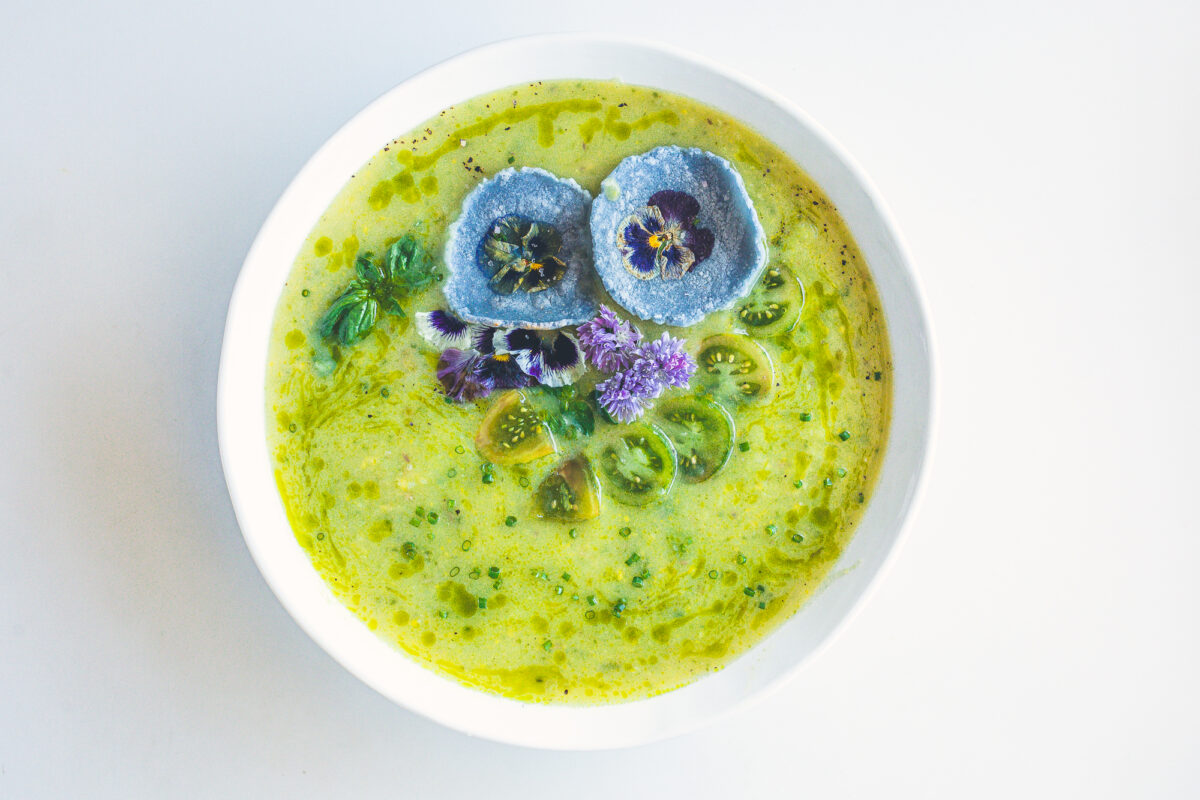
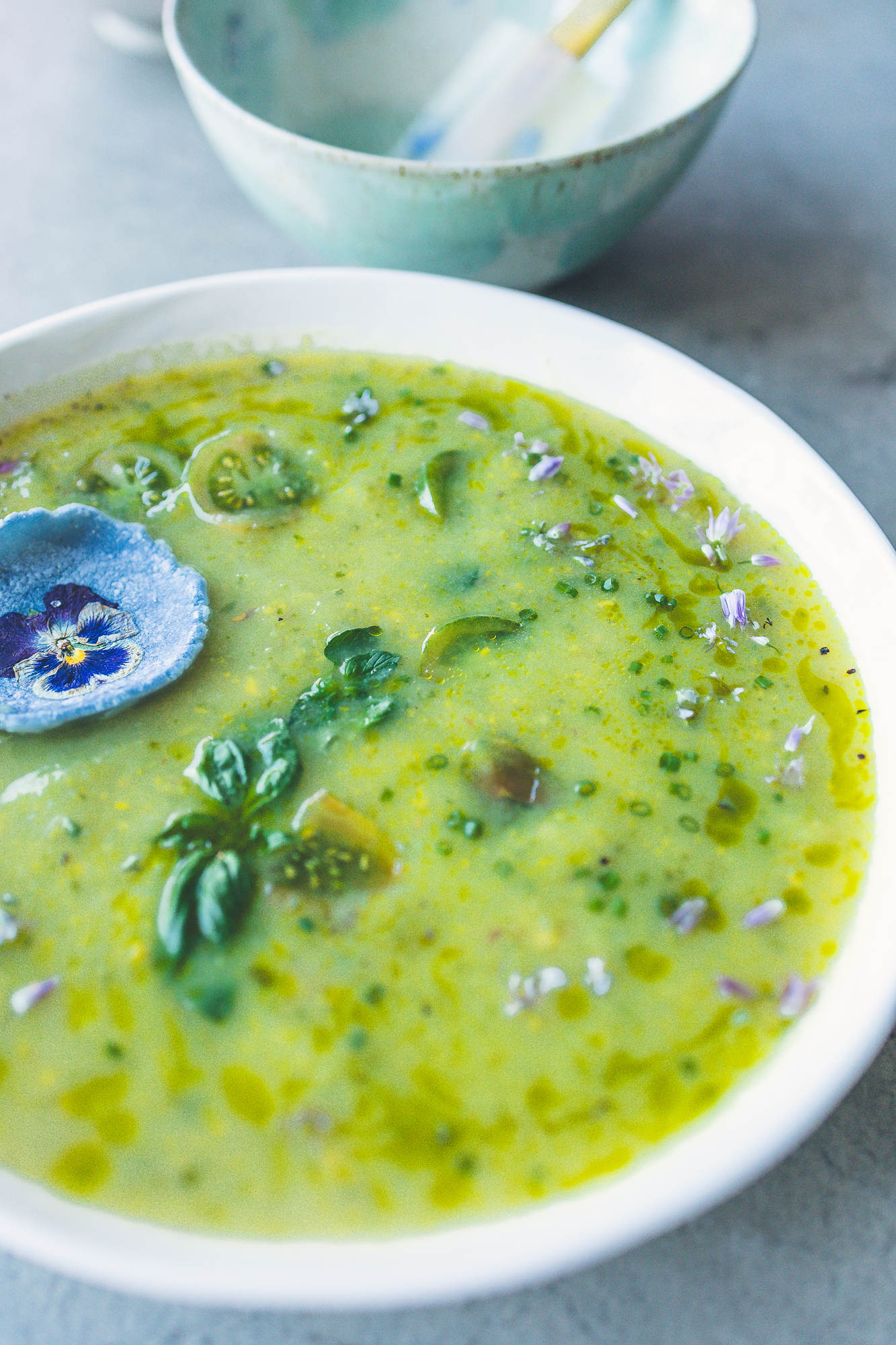
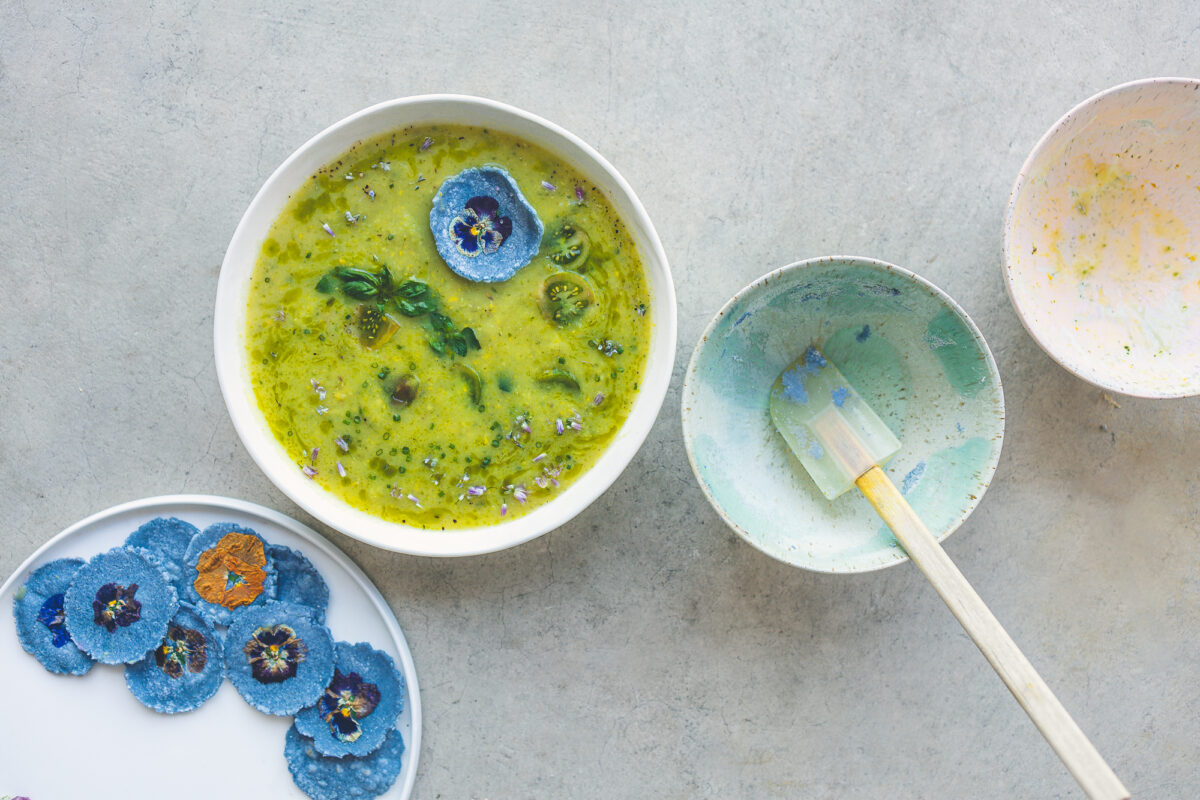
Cooking and mindful eating are forms of self-care, according to the fields of Ayurveda and culinary medicine. It helps us take care of our bodies and souls, calm down, and connect with our food. This Creamy Vegan Squash Soup with Chive Oil shows how these ideas can be applied to everyday life. I love adding a mandala to the top of soups with ingredients like Butterfly Pea Powder, Tortillas, nuts or seeds, edible flowers, and freshly chopped veggies.
Please help me get the word out about healthy plant-based living by sharing this post on your social media.
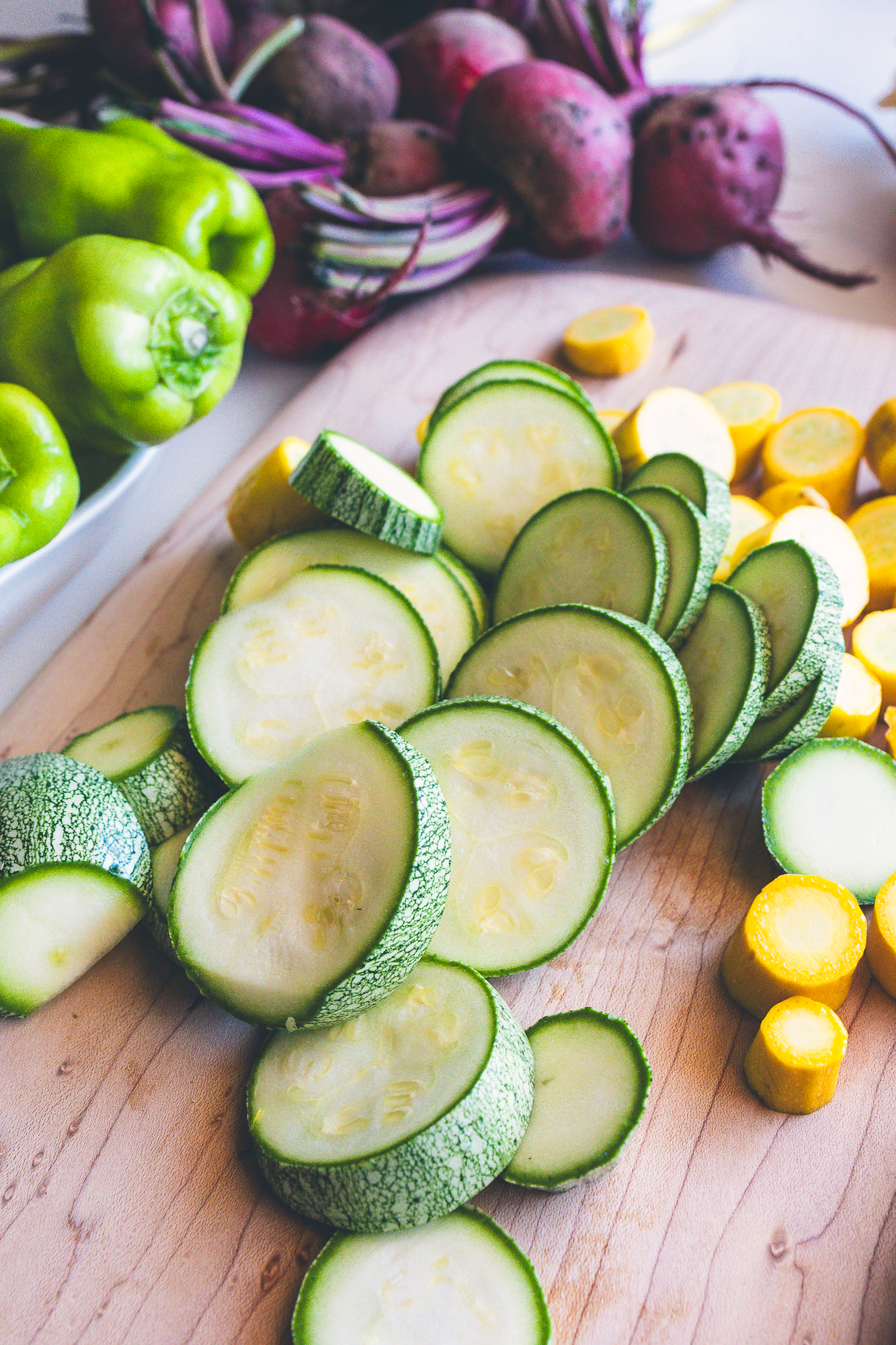
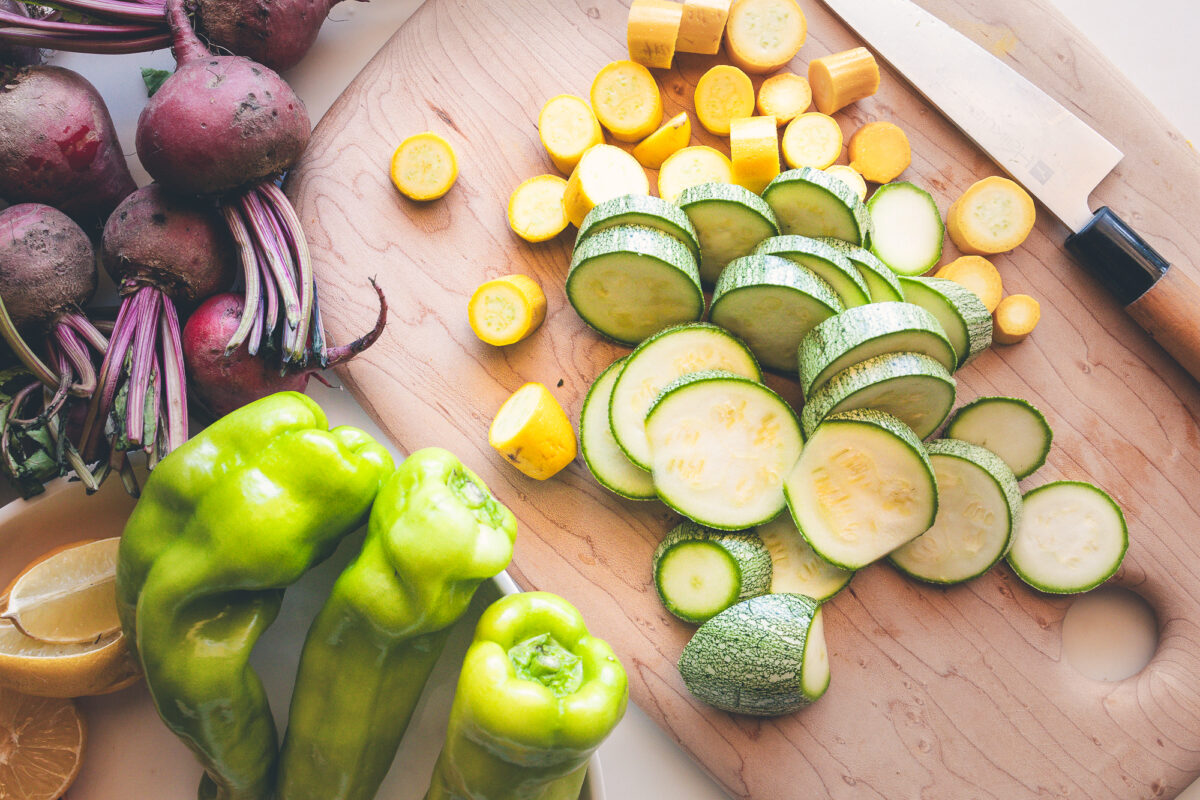
Start by cubing the squash and Yukon Gold potatoes. Finely chop the shallot and set aside.
2. Sauté the Aromatics
Heat the olive oil over medium heat in a large pot. Add the chopped shallot and sauté until translucent, about 5 minutes. Add the minced ginger and sauté for another minute. Add turmeric, cumin, fenugreek, and ground black pepper. It should be smelling great by now, but pay attention, as it can start burning quickly.
3. Add the Main Ingredients
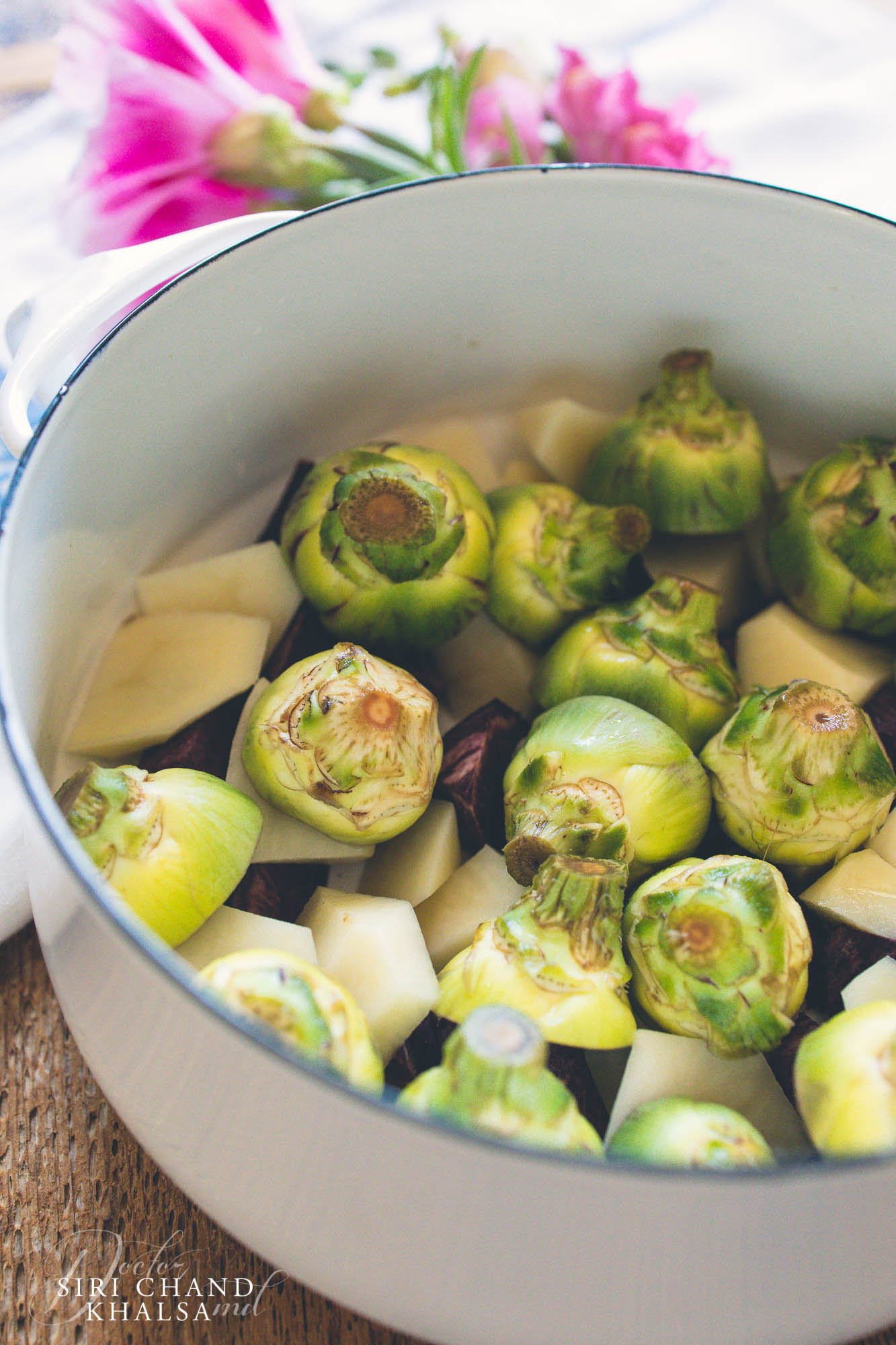
Add the cubed squash and diced potatoes to the pot. Stir well to coat the vegetables with the spices and herbs.
4. Pour in the Broth
Pour in the vegetable broth, ensuring the vegetables are fully submerged. Bring to a boil, then reduce the heat and let it simmer for about 20-25 minutes or until the squash and potatoes are tender. You could use water if that is all you have.
5. Blend the Soup
Using an immersion blender, blend the soup until smooth and creamy. If you prefer a chunkier texture, blend only half of the soup. Be careful not to overblend, as it can become gummy.
6. Stir in the Coconut Milk (optional – can sub one extra cup of broth)
Add the coconut milk to the blended soup and stir well to combine. Let the soup simmer for another 5 minutes. Season with salt and pepper to taste. Sprinkle in the fresh dill.
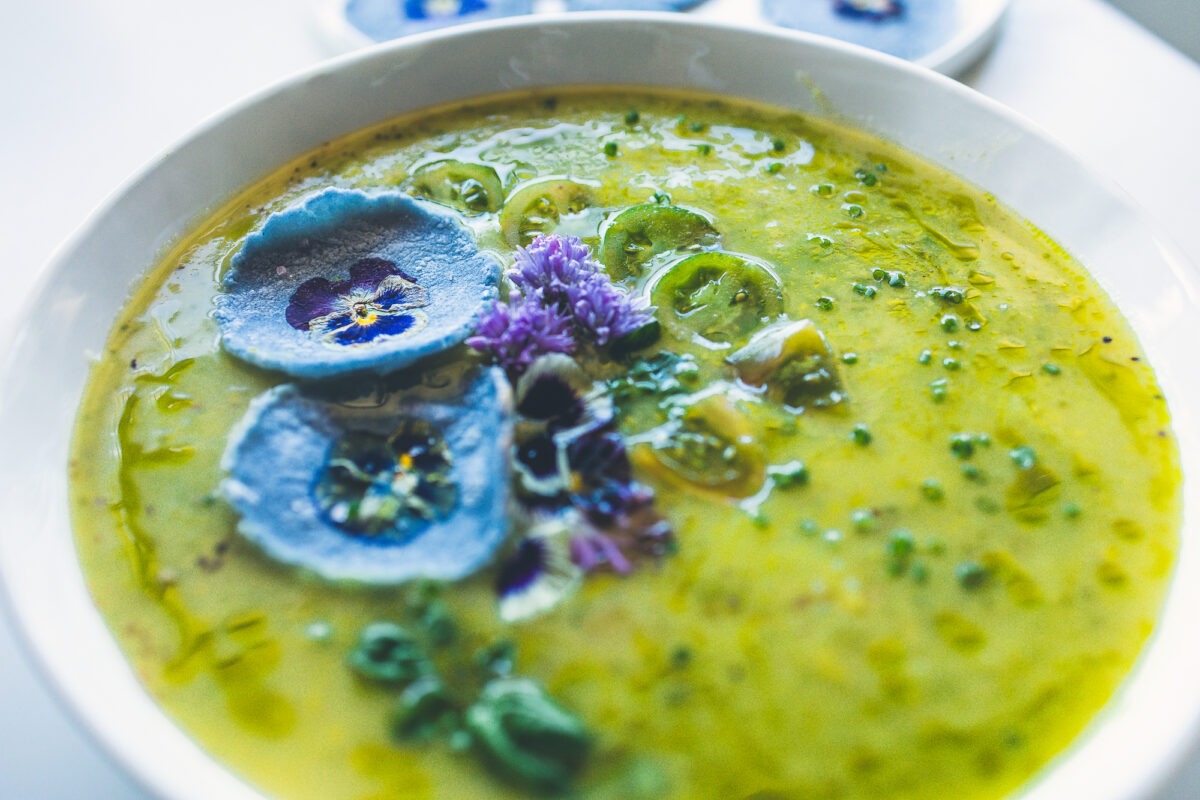
Ladle the creamy soup into bowls. Drizzle the chive oil on top for a burst of flavor and a beautiful presentation. Add other elements for color and flavor. You can make a mandala design of your food by adding other elements like butterfly pea flower chips, nuts, chopped vegetables, and chive oil.
9. Enjoy
Serve hot and enjoy the warm, comforting flavors of this nutritious, plant-based soup. This dish pairs wonderfully with a slice of crusty whole-grain bread or a fresh, green salad.
Click the image to get the ingredients on Instacart from a list I personally selected. The app will let you pick the store and provide a basis for the shopping and ingredient list. Then, you can choose what you need. It has worked great for us.
Also, if you select the “pick up” option on your way home from work, you may even receive a small credit on your next purchase.
To sum up, if you are a busy professional, consider Instacart for healthier meals when your schedule is hectic, either for delivery or pickup.
Have Fun While Trying New Things
As you try out new recipes, never forget that every meal is an opportunity to create something beautiful and nourishing. Cooking with inquiry is one way to tackle any dish with delight and excitement, whether you’re experienced or not. Don’t let your devotion to perfection or outcomes deter you from trying new things. Keep trying. Let this soup serve as a reminder of the incredible opportunities in our kitchens, where plant-based nutrition, culinary arts, and sustainable farm-to-table dining come together to create genuinely enjoyable, colorful dishes.
Learning about Plant-Based Eating
Having the right resources to learn about plant-based vegan principles is important for everyone.
These books are among my tried-and-true favorites, ones I have repeatedly referred to over the years. Let me know if you pick any of them up and what you learn.
Let’s Explore Seasonal Eating: Summer
Squash season is upon us. My dad was well known for not enjoying summer squashes; however, I think I would love them pureed like this in a soup. What do you think?
What is Seasonal Eating?
I am interested in the role of local and/or seasonal eating. I believe that connection to seasonal living fosters an essential bond with nature. Fortunately, this is not just my opinion; scientific data support this notion as well.
Eating locally and seasonally has been proposed to reduce the environmental impact of food production and enhance consumer health (Macdiarmid, 2013). However, the evidence supporting this idea is mixed. While some studies have found that local food can be inferior to non-local food (Edwards-Jones, 2010), others have highlighted the potential benefits of consuming local seasonal food for sustainable consumption (Vargas, 2021). The link between eating seasonally and reducing environmental impacts in the food chain has also been explored, with some research suggesting a potential benefit (Brooks, 2011). However, the overall impact of locally and seasonally sourced food on health and the environment remains complex and nuanced.
Seasonal Recipe Book: My Summer Favorites!
I’m so delighted to share with you a new seasonal cookbook I have created, available for purchase. Please click the link to learn more. AND the best part is that I will be creating one for each season. Hope you enjoy, and if you make one of the recipes, please let me know.
References
Macdiarmid JI. Seasonality and dietary requirements: will eating seasonal food contribute to health and environmental sustainability? Proceedings of the Nutrition Society. 2014;73(3):368-375.
Edwards-Jones G. Does eating local food reduce the environmental impact of food production and enhance consumer health? Proc Nutr Soc. 2010 Nov;69(4):582-91.
Vargas AM, de Moura AP, Deliza R, Cunha LM. The Role of Local Seasonal Foods in Enhancing Sustainable Food Consumption: A Systematic Literature Review. Foods. 2021; 10(9):2206.
Brooks, M., Foster, C., Holmes, M.R., & Wiltshire, J.J. (2011). Does consuming seasonal foods benefit the environment? Insights from recent research. Nutrition Bulletin, 36, 449-453.
Jaqua E, Biddy E, Moore C, Browne G. The Impact of the Six Pillars of Lifestyle Medicine on Brain Health. Cureus. 2023 Feb 3;15(2):e34605.
Elicit; Elicit: The Al Research Assistant; https://elicit.com; accessed 2/8/2024
In the complexity of considering the regional needs and long-term goals of feeding populations, I also believe that seasonal and, when feasible, local eating helps us cultivate mindfulness skills, paying attention to what is close and relevant. Exploring markets and local farms builds community connections, which is also part of Lifestyle Medicine’s core pillars of health.
Earn CME
This experience is powered by CMEfy – an AI-powered platform that directs learners along a pathway to capture reflections at the point of inspiration, point of care. Clinicians may earn CME/CE credit via ReflectCE, the accredited activity portal. Learn more at about.cmefy.com/cme-info
The CE experience for this Blog Post / Article is powered by CMEfy – click here to reflect and earn credits: https://earnc.me/7CbypP
Join me in the community!
Looking to make a positive change in your life and community clinically? Dr. SiriChand is a board-certified physician in Internal Medicine, Integrative Medicine, Lifestyle Medicine, and Hospice/Palliative Medicine. She has dedicated her career to promoting long-term vitality through the choices we make every day and is an expert in Ayurveda and plant-based nutrition.
She works with physicians to explore how to create time for self-care and how to learn to innovate in their integrative medicine careers. Take the first step toward an aligned, happier future by learning more about the community we are creating today.
Let’s create a better world for female physicians through intentional, mindful living.
Thanks for checking out this week’s post to the end!
If you make this, tag me on social media @doctorsirichand. I would love to see your variations and flavor options. Save this Recipe for later at your favorite place. I like using PINTEREST, but you could also clip it elsewhere.
*Please note as an affiliate, I earn from qualifying purchases which means I will receive a small fee if you purchase them. I have only included things I truly use. This post is for educational and informational purposes only and solely as a self-help tool for your own use. I am not providing medical, psychological, or nutrition therapy advice. You should not use this information to diagnose or treat any health problems or illnesses without consulting your own medical practitioner. Always seek the advice of your own medical practitioner and/or mental health provider about your specific health situation. For my full Disclaimer, please go here.












Be the first to comment