Let’s Try This Vegan Pot Pie with Oyster Mushrooms
Comfort Food, Reimagined Through Culinary Medicine
Some dishes endure because they do more than feed us. Pot pie is one of those meals. It carries the memory of easy-to-cook meals of my childhood. Just pop them in the oven when I get home from school, and later, with little effort, I’m enjoying a savory meal. In my culinary medicine journey, I am not interested in abandoning meals I once loved in pursuit of perfection. I am interested in understanding why I loved them and how to adapt them to continue serving our long-term health.
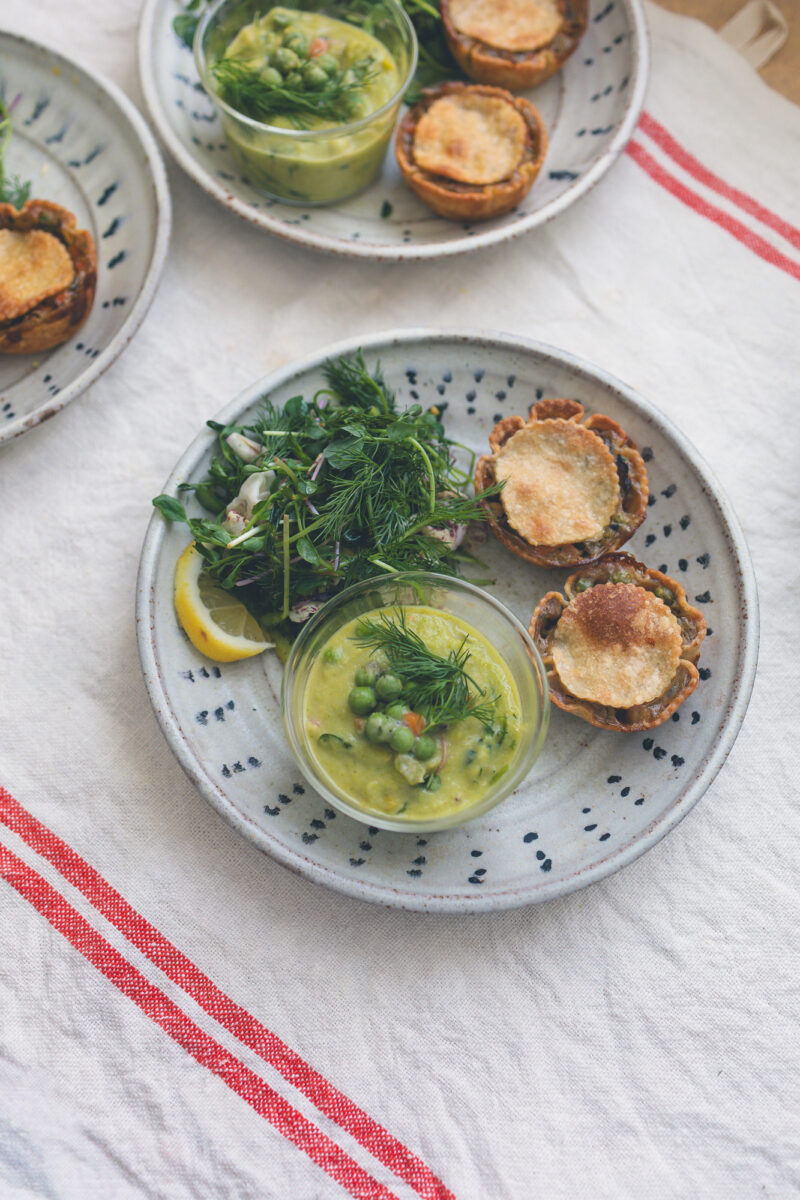
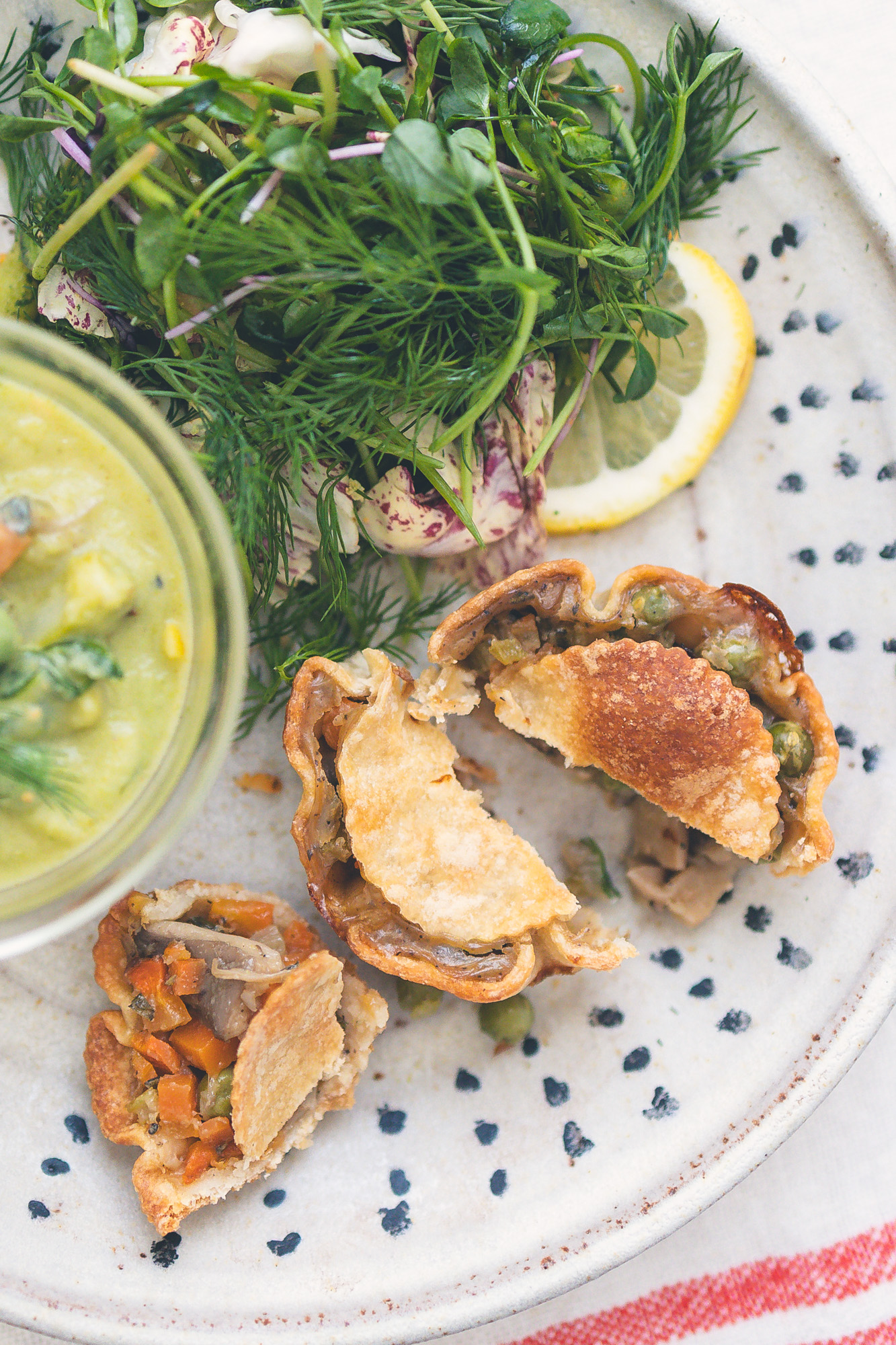
This version is a vegan pot pie built with oyster mushrooms, oat milk, and herbs de Provence, served alongside a fresh pea salad and a light asparagus soup. The recipes for the salad and soup will come in the next post.
Culinary medicine is often misunderstood as nutrient optimization or restriction. In practice, it is much more interesting. It asks how food feels in the body over time. Whether a meal supports digestion, energy, and emotional regulation. Whether it can be returned repeatedly without affecting our health. And frankly, comfort food like vegan pot pies earns its place when it can do all of that.
A Plant-Based Prescription for Vibrant Living
At the foundation of this tasty dish are some classic techniques. Mirepoix and roux are time-tested ways of building flavor slowly and predictably. When onions soften and release sweetness, when aromatics are given time rather than rushed, there are subtle cues from the kitchen to our nervous system. Taking pauses to cook translates to our internal self-regulation. Digestion begins through our senses.
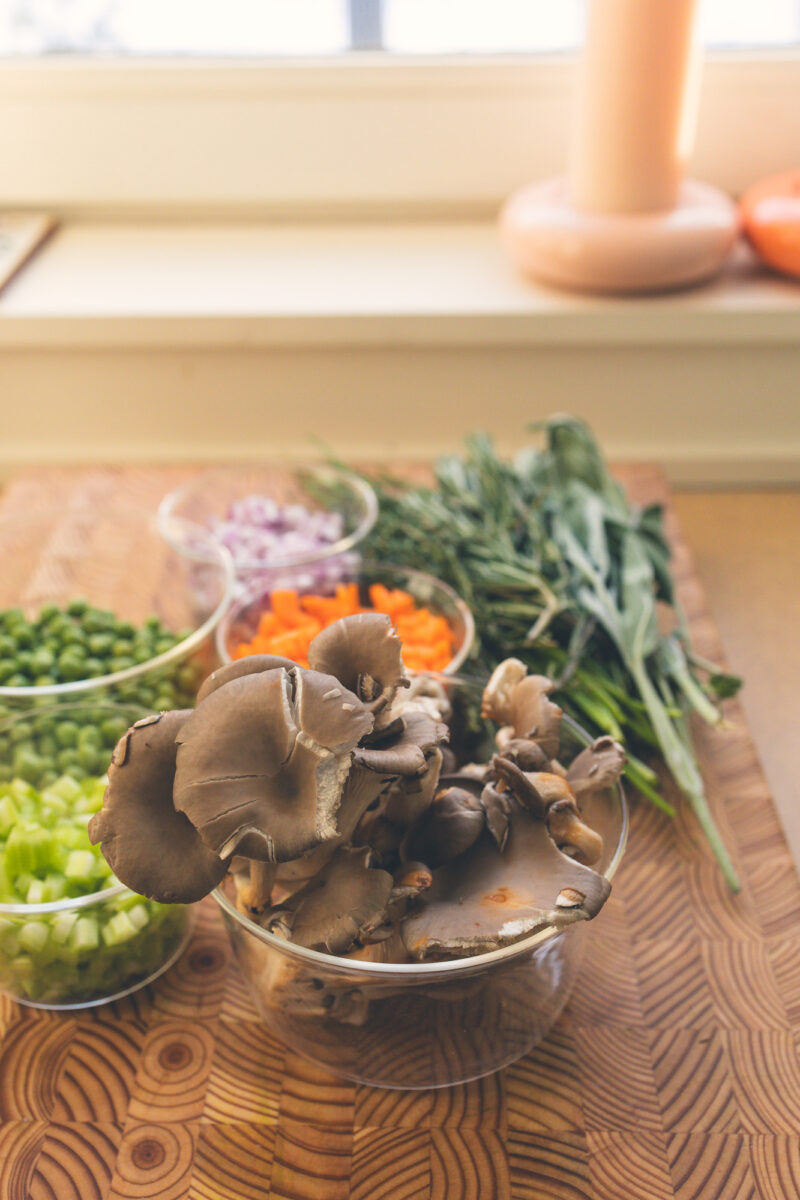
A roux, even a plant-based one, is fat and flour cooked together. Its purpose is cohesion and mouthfeel. When adapted thoughtfully, it preserves what works while removing what often does not for sensitive bodies. Oyster mushrooms are not standing in for chicken in this dish, and some can hardly tell the difference. Oyster mushrooms have a fibrous structure that holds shape, absorbs flavors, and delivers a savory depth.
From a physiologic perspective, oyster mushrooms offer more than texture. Research indexed in PubMed suggests that Pleurotus ostreatus contains beta-glucans and other bioactive compounds associated with immune modulation and gut support. These polysaccharides interact with the microbiome and immune signaling pathways in ways that align with food-as-medicine principles. Dishes like this are about choosing plants that carry both nourishment and depth.
What matters just as much as the main dish is the moment in the season it inhabits. Late winter moving into early spring is a threshold. The body often needs warmth and grounding as it prepares for metabolic and hormonal shifts that accompany longer days and lighter meals. I love thinking about seasonal intelligence as they shift.
Oyster Mushroom Pot Pie Filling
Let’s explore this classic comfort base adapted for plant-forward cooking.
This pot pie filling is built on a traditional technique rather than substitution. Mirepoix creates sweetness and depth. A gentle plant-based roux provides a wonderful, thick blend. Oyster mushrooms offer body and savoriness without heaviness. The result is familiar and light to digest.
Base
Mirepoix, finely diced
Onion
Carrot
Celery
Cook slowly in olive oil or plant butter until soft and fragrant, not browned. This step matters. The goal is to release sweetness and aroma.
Substitutions
Leek for onion if sensitive
Fennel in place of celery for a softer digestive profile
Parsnip can replace carrot for a less sweet base
Chicken Substitute
Oyster mushrooms, torn or sliced
Add after the mirepoix has softened. Cook until the moisture releases and the mushrooms become supple and slightly golden at the edges.
Why oyster mushrooms
Fibrous texture that holds shape
Absorbs herbs and aromatics well
Substitutions
Maitake or shiitake
A mix of mushrooms works well here
Thickening The Mixture
Simple plant-based roux
Flour of choice (all-purpose, spelt, or gluten-free blend)
Fat from the pan
Sprinkle flour over the vegetables and stir continuously for 1 to 2 minutes. This cooks out the raw flour taste and prepares the base to receive liquid.
Substitutions
Gluten-free flour blend
Chickpea flour for a slightly heartier filling
Liquid Choices
Oat milk + vegetable broth
Add slowly while stirring to avoid lumps. The filling should be creamy but not stiff.
Substitutions
Unsweetened soy milk for higher protein
All broth if avoiding plant milks
Cashew milk for extra richness
Vegetable Options
Added near the end for freshness and color
Green peas
Additional diced carrot if desired
Stir in gently and cook just until tender. The peas should stay bright.
Optional additions
Diced potato, celery root, or parsnip for a more wintery version
Chopped green beans
Herbs
Herbs de Provence or a fresh herb blend that could be fresh or dried herbs
Thyme
Rosemary
Sage
Chives or parsley
Add toward the end so the herbs remain aromatic rather than muted.
Substitutions
Fresh thyme and bay are only for simplicity
Tarragon for a spring-forward note
Seasoning
Sea salt, added gradually
Freshly ground black pepper
Taste once the filling thickens. Adjust salt after the liquid reduces.
Texture Check
The finished filling should:
Hold together on a spoon
Spread easily
Feel creamy but not heavy
If too thick, add broth. If too loose, simmer uncovered for a few minutes.
How to Use In Dishes
Spoon into a baking dish and top with pastry or biscuits
Serve as a stew alongside roasted vegetables
Use as a base for shepherd’s-pie and add mashed potato topping
A Simple Crust Choice
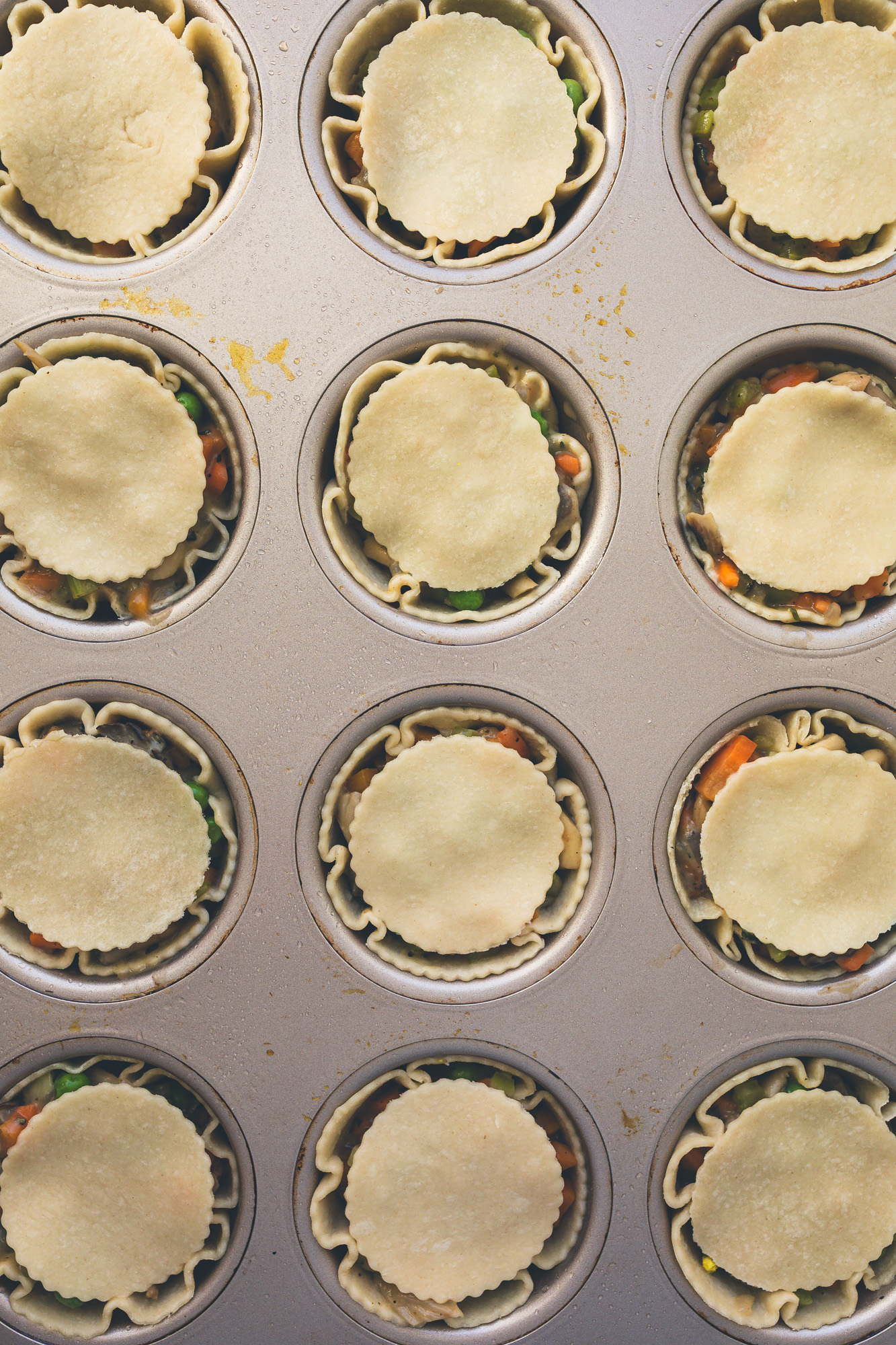
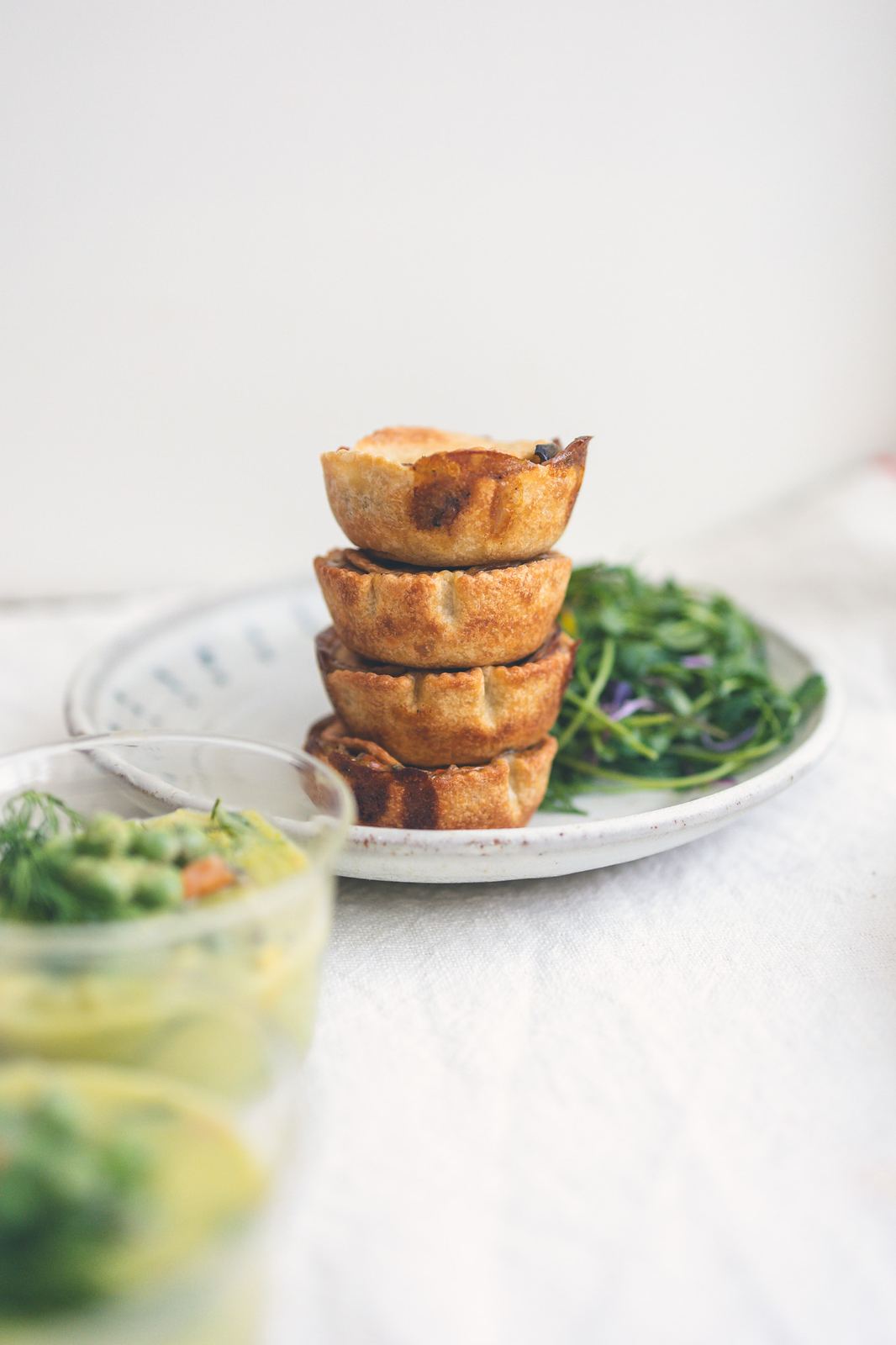
For these pot pies, I used raw, store-bought roti from Costco, cut into circles and pressed into a cupcake pan to make the crust. It bakes up crisp and lightly layered when filled, and it holds its shape well without feeling heavy. Using roti made this easy to assemble on a weeknight while still keeping the structure you want in a pot pie.
You can unsubscribe at any time. Review our privacy policy here.
Nutrient-Dense Ingredients!
Pot pie reminds me of winter. It is structured, warm, and anchoring. Alongside it, a fresh pea salad introduces sweetness and crunch, signaling emergence. An asparagus soup offers a balance of bitterness and lightness, gently supporting digestion as the season turns.
Across traditional food systems, seasonal eating is less about rules and more about rhythm. When we eat in conversation with what is emerging locally, we support adaptability. From a culinary medicine standpoint, this supports metabolic flexibility and digestive resilience. It also keeps food interesting without requiring constant reinvention, which can lead to feeling overwhelmed in the kitchen.
Please help me get the word out about healthy plant-based living by sharing this post on your social media.
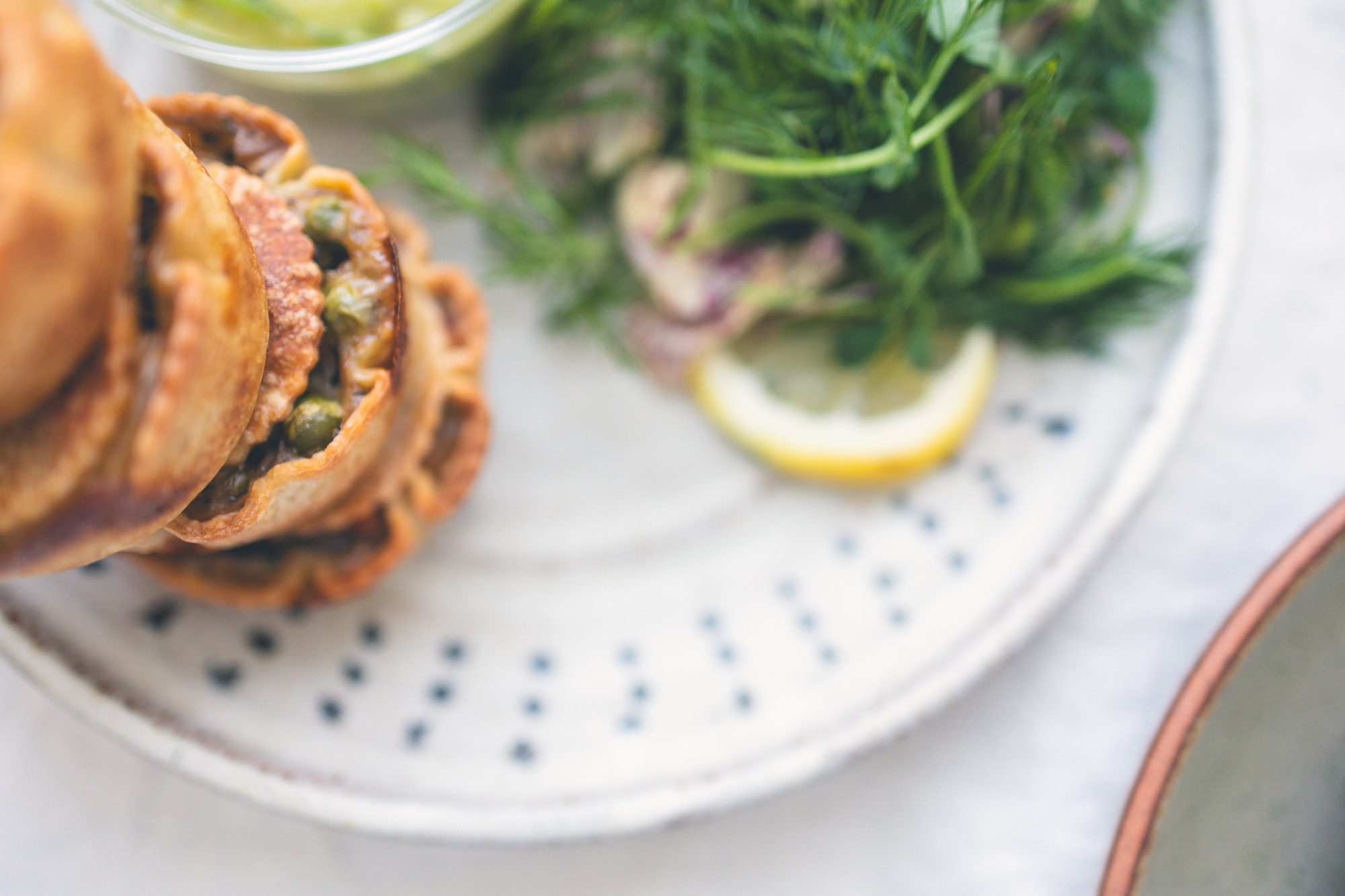
These vegan pot pies grew out of a desire for comfort food. Oyster mushrooms form the root of the filling, adding texture and depth akin to chicken. A classic mirepoix builds sweetness and aroma, and a simple plant-based roux creates a creamy, spoonable consistency that feels satisfying without being too heavy. Oat milk and vegetable broth keep the flavor clean and gentle, while herbs de Provence add a savory note.
For the crust, I used store-bought roti (from Costco), cut into circles, and baked in a cupcake pan. It bakes up crisp, offering structure without the effort of making pastry from scratch. This made the dish approachable enough for a regular weeknight. Served with a fresh pea sprout salad and a light asparagus soup, this is a great meal between late winter and early spring.
Ingredients
UnitsScale
Filling
2 tablespoons olive oil or plant-based butter
1 medium yellow onion, finely diced (about 2 cups)
2 medium carrots, finely diced (about 1 cup)
2 celery stalks, finely diced (about 1 cup)
12ouncesoyster mushrooms, torn or sliced (about 4 cups)
2 tablespoons all-purpose flour
1 1/2cupsunsweetened oat milk
1cupvegetable broth
1cupgreen peas, fresh or frozen
1 1/2 teaspoons Herbs de Provence or a mix of thyme, rosemary, and sage
3/4 teaspoon sea salt, plus more to taste
1/2 teaspoon freshly ground black pepper
Optional Add-Ins
1 small potato, parsnip, or celery root, finely diced (for a heartier filling)
1 tablespoon chopped fresh parsley or chives
Instructions
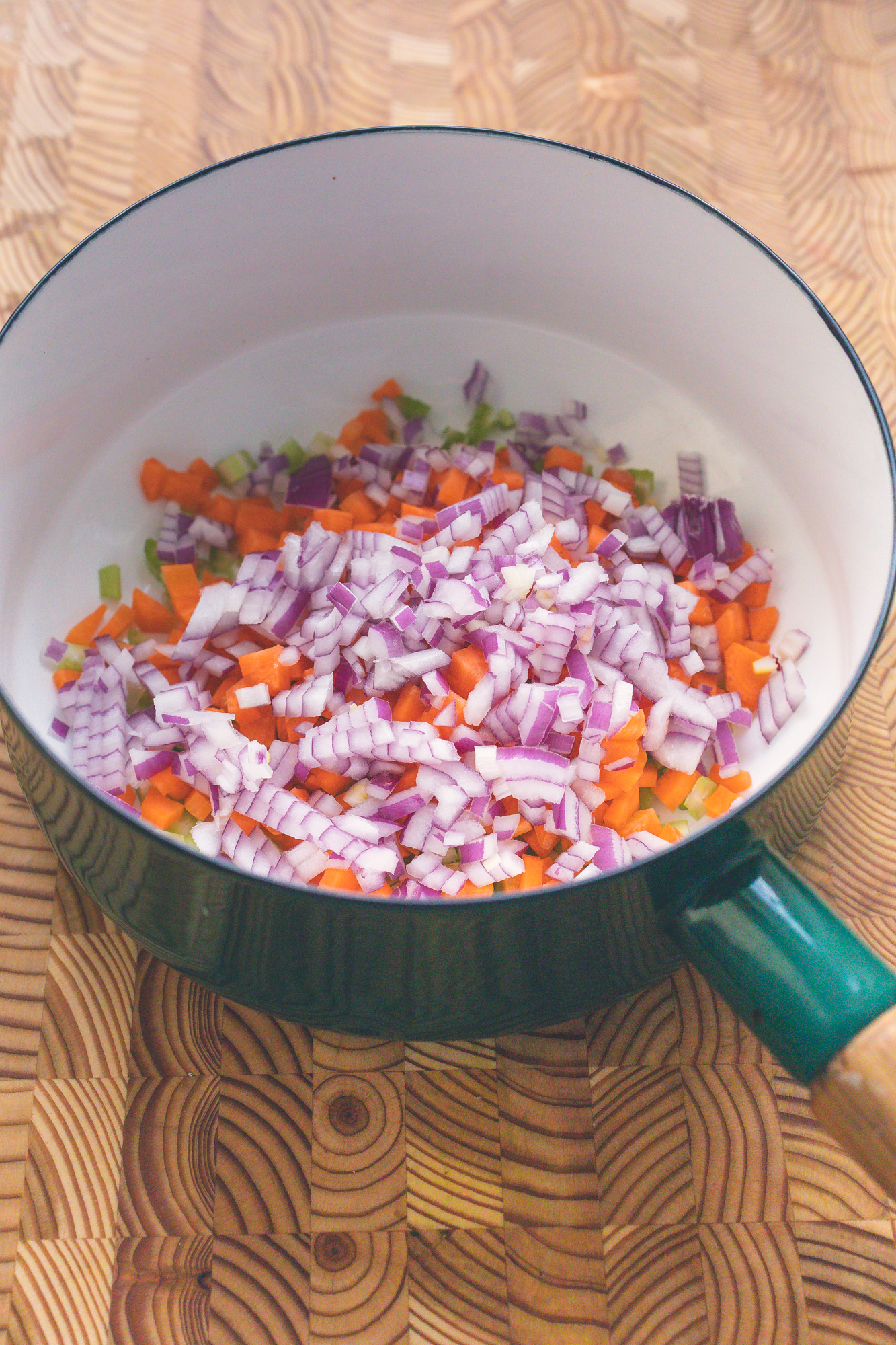
Build the aromatic base: Heat the olive oil or plant butter in a large saucepan or Dutch oven over medium heat. Add the onion, carrot, and celery. Cook for 8–10 minutes, stirring occasionally, until softened and fragrant. Avoid browning. This step creates sweetness and depth.
Add the mushrooms: Stir in the oyster mushrooms. Cook for 6–8 minutes, allowing them to release their moisture and become tender. The mixture should look cohesive and lightly glossy.
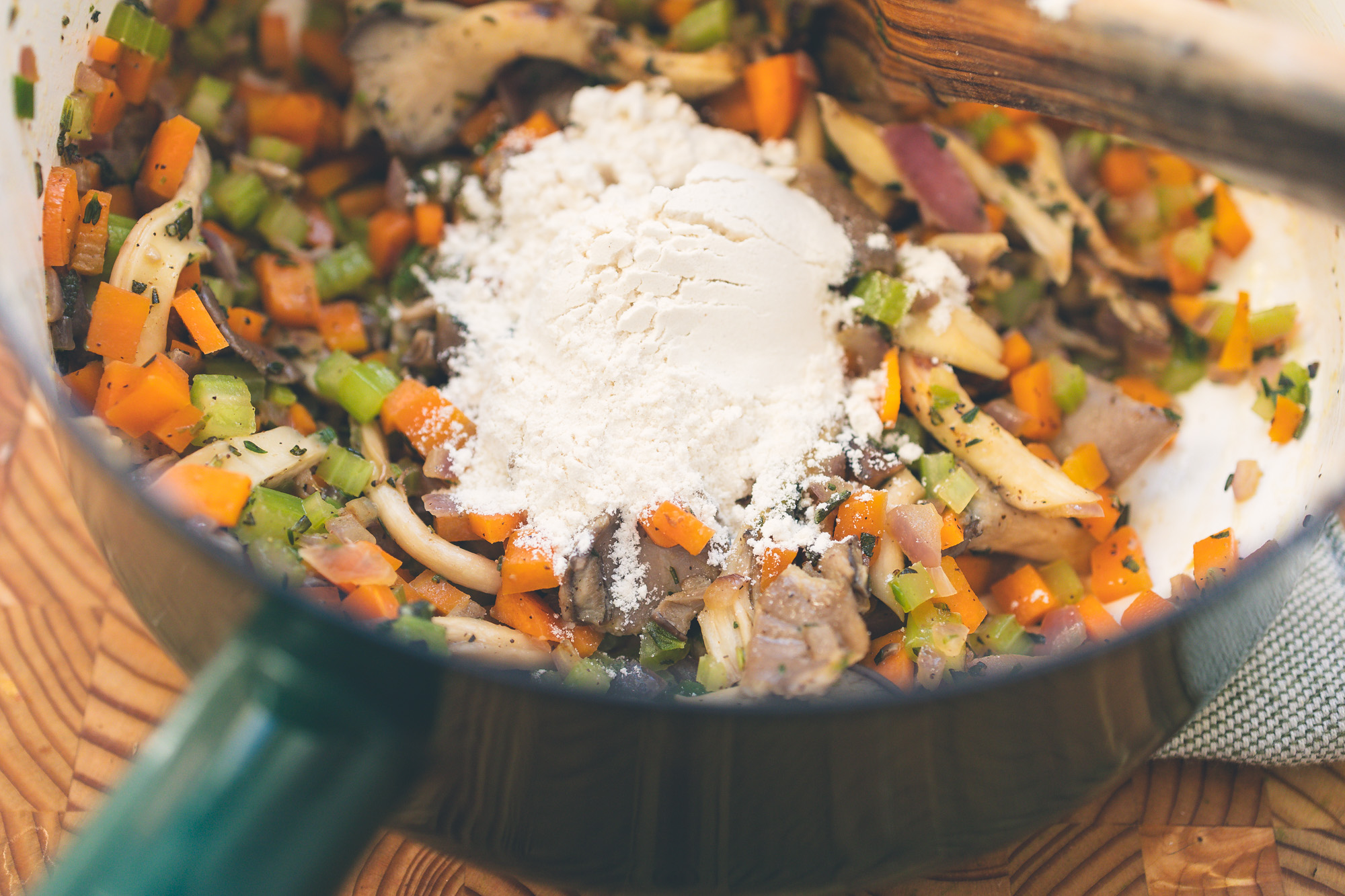
Make the roux: Sprinkle the flour evenly over the vegetables. Stir continuously for 1–2 minutes to cook out the raw flour taste. The mixture will look lightly coated and thickened.
Add the liquid: Slowly pour in the oat milk while stirring to prevent lumps. Add the vegetable broth and continue stirring until smooth. Bring to a gentle simmer and cook for 5–7 minutes, until the filling thickens to a creamy, spoon-coating consistency.
Finish the filling: Stir in the peas, herbs, salt, and pepper. Simmer for another 3–5 minutes, just until the peas are tender and bright green. Taste and adjust seasoning.
Use as desired: The filling is ready. Spoon into a baking dish and top with pastry or biscuits for a traditional pot pie, or serve as a creamy vegetable stew alongside a fresh salad or soup.
Making it into a Baked Pot Pie (Optional)
Transfer filling to a greased baking dish
Top with prepared pie crust, puff pastry, or biscuit dough
Bake at 400°F (205°C) for 25–30 minutes, until golden and bubbling
Let rest for 10 minutes before serving.
Notes
A Simple Crust Choice: For these pot pies, I used store-bought roti from Costco as the crust. It bakes up crisp and lightly layered when placed over a warm filling, and it holds its shape well without feeling heavy.
Prep Time:30
Cook Time:45
Category:Vegan
Click the image to order the ingredients from Instacart using a list from this recipe. The app will let you select the store and include an ingredient list. Then you can choose what you need and pick it up or have it delivered to you.
Also, if you select the “pick up” option, which you can do on your way home from work, you may even receive a small credit on your purchases for your next visit.
If you are a busy professional, consider Instacart for healthier meals when your schedule is hectic, either for delivery or pickup.
Learning about Plant-Based Eating
Having the right resources to learn about plant-based vegan principles is important for everyone.
These books are among my tried-and-true favorites, ones I have repeatedly referred to over the years. Let me know if you pick any of them up and what you learn.
Join me in the community!
Looking to make a positive change in your life and community clinically? Dr. SiriChand is a board-certified physician in Internal Medicine, Integrative Medicine, Lifestyle Medicine, and Hospice/Palliative Medicine. She has dedicated her career to promoting long-term vitality through the choices we make every day and is an expert in Ayurveda and plant-based nutrition.
She works with physicians to explore how to create time for self-care and how to learn to innovate in their integrative medicine careers. Take the first step toward an aligned, happier future by learning more about the community we are creating today.
Let’s create a better world for female physicians through intentional, mindful living.
Thanks for checking out this week’s post to the end!
If you make this, tag me on social media at @doctorsirichand. I would love to see your variations and flavor options. Save this Recipe for later to your favorite place. I prefer using Pinterest, but you can also clip it elsewhere.
*Please note as an affiliate, I earn from qualifying purchases which means I will receive a small fee if you purchase them. I have only included things I truly use. This post is for educational and informational purposes only and solely as a self-help tool for your own use. I am not providing medical, psychological, or nutrition therapy advice. You should not use this information to diagnose or treat any health problems or illnesses without consulting your own medical practitioner. Always seek the advice of your own medical practitioner and/or mental health provider about your specific health situation. For my full Disclaimer, please go here.

















Be the first to comment