Try this kale chopped salad with winter vegetables
Food as Medicine Contiues With How You Cook, Not Just What You Choose
Most people who find their way to my blog are not looking for another recipe. They are seeking kitchen exploration that will support their long-term vitality. They want to eat well without feeling overwhelmed, bloated, depleted, or confused by conflicting advice.
This is where culinary medicine begins: the foundational blocks that make food medicine.
Food as medicine is not about restriction, optimization, or perfect eating. It is about learning how preparation, combination, and rhythm affect the body’s absorption of food. This is why two people can eat the same ingredients and feel completely different afterward.
Take kale, for example. It is often praised as a superfood, yet many people struggle to digest it. Raw salads can feel heavy, irritating, or exhausting to digest. The problem may not be the kale itself. The problem could be rooted in how it is prepared and what it is paired with.
Let’s start with a simple principle. Preparation techniques can affect how our bodies receive it.
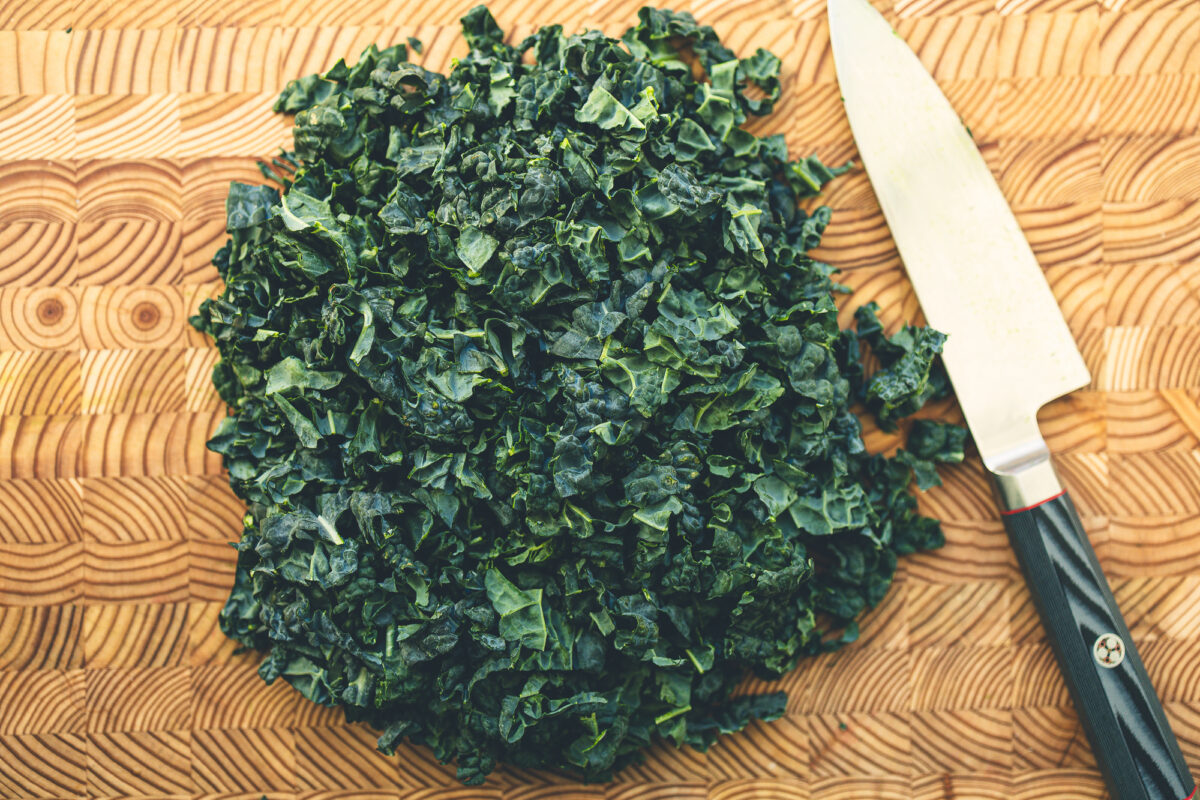
When kale is finely chopped, gently massaged with an acidic vinaigrette, and paired with fat and protein, it can become a different experience. Our digestion does not neceassily have to work as hard. Minerals become more accessible. And a salad could be something easier to eat.
Another foundational principle I teach is this: Meals should stabilize energy, build resilience, and not test our resolve to be in the kitchen. However, if we don’t feel well after eating, there are diminishing returns on trying new recipes.
A Plant-Based Prescription for Vibrant Living
A salad that leaves you hungry an hour later is not supportive of sustainable choices, so I pair greens with ingredients like quinoa, olives, and an olive-oil vinaigrette. Fiber, plant protein, and fat work together to support blood sugar balance and satiety. This is what I have seen clinically and lived personally.
When I teach culinary medicine cooking classes, I focus on helping participants explore their digestion, understand why certain meals work, and rebuild confidence in the kitchen.
I photograph my own food to ensure transparency (and it’s a creative outlet). What you see is what I cook. Simple, repeatable meals that hold up in real life. Meals that can be made ahead, eaten between meetings, and trusted to support energy rather than drain it.
This is why people choose to learn with me in culinary medicine classes. They are not looking for performance cooking or perfection. They want to understand how to feed themselves in a way that feels sustainable and nourishing.
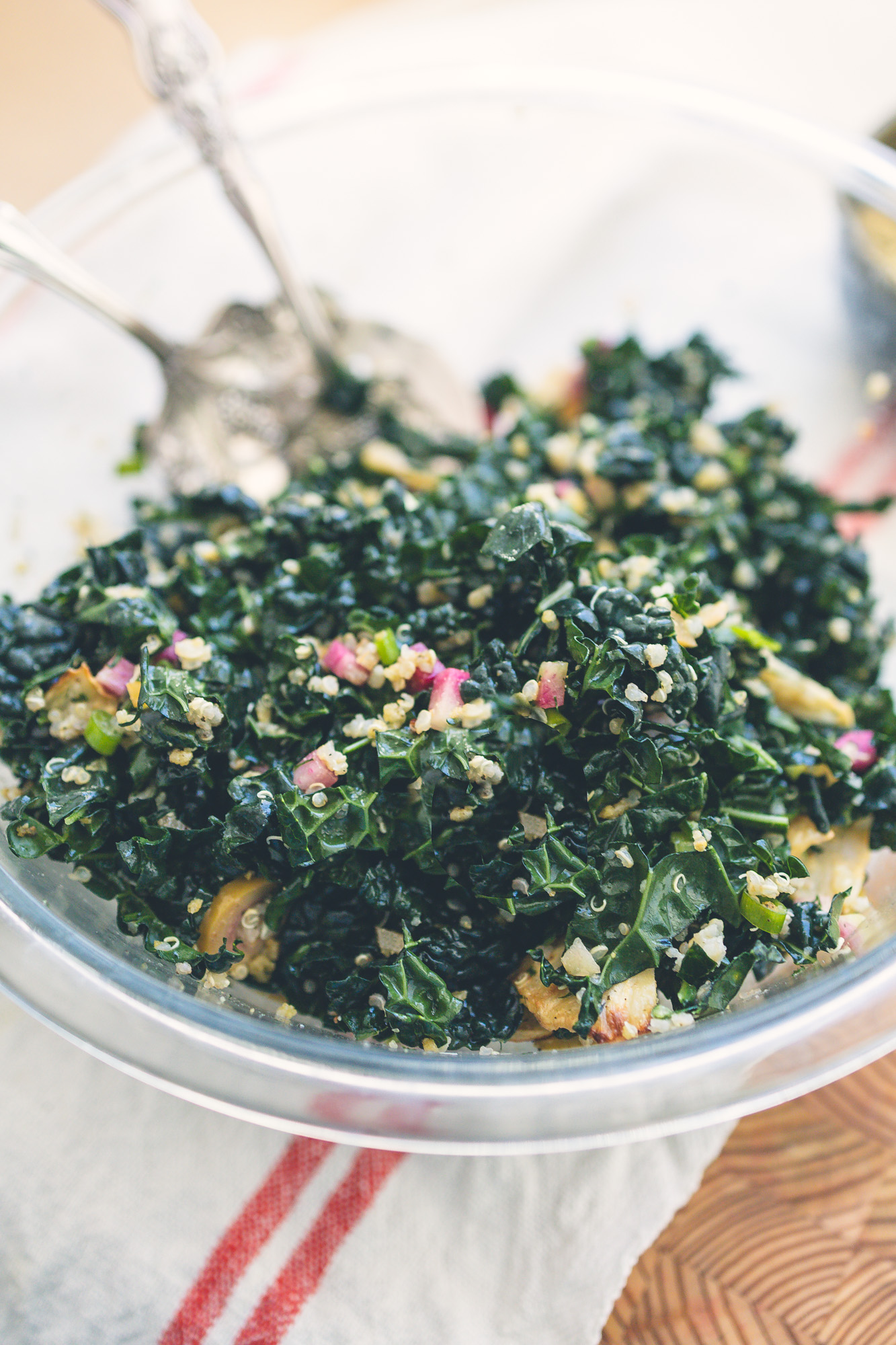
Try this Chopped Kale Salad with Quinoa, Olives, and Lemon Mustard Dressing
This is a deeply nourishing chopped salad built for texture, mineral richness, and staying power. Everything is finely cut, so each bite is balanced and easier to digest.
Base
Lacinato (Tuscan) kale, finely chopped
Massage lightly with a pinch of salt and a splash of lemon until softened and glossy.
Grain
Cooked quinoa, cooled
Adds protein and contrast to the kale.
Savory elements
Sliced green olives
Chopped scallions
Small dice of preserved lemon or lemon-pickled vegetable (optional but visible in the image)
Roasted component (optional but shown)
Root vegetables like beets, celery root, or sunchokes, cut into bite-sized pieces
Roasted or sautéed in olive oil with salt and pepper until golden
Crunch
A sprinkle of vegan parm (which is toasted nuts or seeds ground with nutritional yeast) and panko breadcrumbs
Dressing
Olive oil
Fresh lemon juice
Dijon mustard(I used a tarragon dijon) or whole-grain mustard
Salt and black pepper
Assembly Combine the massaged kale and quinoa first. Fold in olives, onions, scallions, and preserved lemon. Add roasted vegetables if using. Finish with dressing and a final dusting of toasted breadcrumbs with vegan parm. Scroll down for measurements and more directions.
You can unsubscribe at any time. Review our privacy policy here.
Nutrient-Dense Ingredients!
Seasonal vegetables bring both nutritional and physiological intelligence to this kale chopped salad. Winter greens like kale provide concentrated minerals and fiber, while celery root offers grounding starch and prebiotic compounds that support digestion during colder months. Watermelon radish adds gentle pungency and color, stimulating digestion without heat. Together, these seasonal choices reflect an integrative medicine approach to nutrition, aligning meal selection with environmental rhythms to support resilience and digestion.
All-in-One Kale Salad
Kale is a rich source of non-heme iron, the form of iron found in plants that is more sensitive to absorption conditions. Pairing kale with a lemon-based vinaigrette provides vitamin C, which enhances non-heme iron absorption by reducing it to a more bioavailable form in the gut. This is a foundational culinary medicine strategy used in integrative nutrition recipes, intentionally combining plant foods so that micronutrients are not only present but also physiologically accessible.
Please help me get the word out about healthy plant-based living by sharing this post on your social media.
Thischopped kale salad with quinoa and olivesis a deeply nourishing, plant-based recipe designed for digestion, mineral balance, and meal prep. Finely chopping and massaging the kale makes this salad easier to digest while preserving its nutrient density. It holds well for several days and can be used as a main dish or a side.
2 tablespoons finely diced preserved lemon or lemon-pickled vegetable (optional)
2 tbsp chopped dill
Optional roasted addition
1cup roasted root vegetables (ie celery root or sunchokes) chopped
Crunch topping
2 to 3 tablespoons toasted panko bread crumbs and vegan parm (ground pumpkin seeds and nutritional yeast)
Lemon Mustard Vinaigrette
3 tablespoons extra virgin olive oil
2 tablespoons fresh lemon juice
1 teaspoon Dijon or whole-grain mustard
1/2 teaspoon sea salt (adjust to your taste)
1/2 tsp ground black pepper, to taste
Instructions
Massage the kale: Place chopped kale in a large bowl. Add a pinch of salt and 1 teaspoon lemon juice. Massage gently for 1 to 2 minutes until softened and darker green.
Prepare the dressing: Whisk olive oil, lemon juice, mustard, salt, and pepper until emulsified.
Toast breadcrumbs with equal parts vegan parm in 1 tsp of olive oil (optional step)
Assemble the salad: Add quinoa to the kale and toss to combine. Fold in roasted root vegetables, olives, radish, dill, scallions, and preserved lemon if using.
Finish and rest: Add dressing and toss until evenly coated.
Add the bread crumbs or toasted vegan parm
Let rest 10 minutes before serving
To make vegan parm, toast 1/2 cup pumpkin seeds and blend them into a fine powder with 1/2 cup nutritional yeast.
Notes
As a vegan, chopped kale salad can be a main dish, served with soup. It is also easy to make ahead (add the dressing when it’s time to eat).
Prep Time:20
Cook Time:20
Category:salad
Click the image to order the ingredients from Instacart using a list from this recipe. The app will let you select the store and include an ingredient list. Then you can choose what you need and pick it up or have it delivered to you.
Also, if you select the “pick up” option, which you can do on your way home from work, you may even receive a small credit on your purchases for your next visit.
If you are a busy professional, consider Instacart for healthier meals when your schedule is hectic, either for delivery or pickup.
Learning about Plant-Based Eating
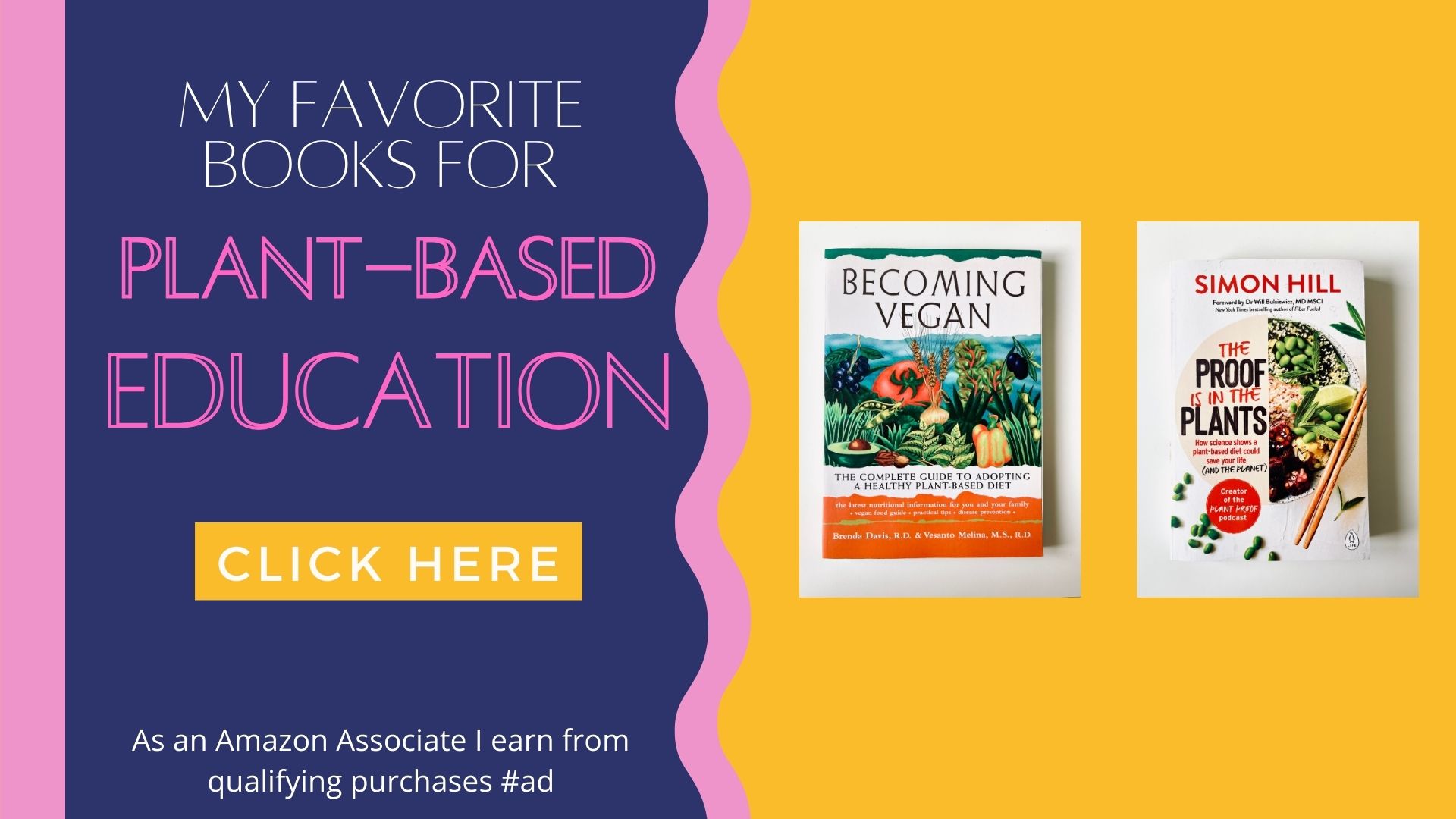
Having the right resources to learn about plant-based vegan principles is important for everyone.
These books are among my tried-and-true favorites, ones I have repeatedly referred to over the years. Let me know if you pick any of them up and what you learn.
Join me in the community!
Looking to make a positive change in your life and community clinically? Dr. SiriChand is a board-certified physician in Internal Medicine, Integrative Medicine, Lifestyle Medicine, and Hospice/Palliative Medicine. She has dedicated her career to promoting long-term vitality through the choices we make every day and is an expert in Ayurveda and plant-based nutrition.
She works with physicians to explore how to create time for self-care and how to learn to innovate in their integrative medicine careers. Take the first step toward an aligned, happier future by learning more about the community we are creating today.
Let’s create a better world for female physicians through intentional, mindful living.
Thanks for checking out this week’s post to the end!
If you make this, tag me on social media at @doctorsirichand. I would love to see your variations and flavor options. Save this Recipe for later to your favorite place. I prefer using Pinterest, but you can also clip it elsewhere.
*Please note as an affiliate, I earn from qualifying purchases which means I will receive a small fee if you purchase them. I have only included things I truly use. This post is for educational and informational purposes only and solely as a self-help tool for your own use. I am not providing medical, psychological, or nutrition therapy advice. You should not use this information to diagnose or treat any health problems or illnesses without consulting your own medical practitioner. Always seek the advice of your own medical practitioner and/or mental health provider about your specific health situation. For my full Disclaimer, please go here.













Be the first to comment